
Africa Travel Week · 2026 Report
Unfiltered.
The 2026 State of African Tourism. For the last decade, African tourism sold a dream. Now, the market is demanding the receipt.
Trust Is the New Currency of African Tourism
For a decade, African tourism sold a dream.
For the last decade, African tourism sold a dream. In 2026, the market is demanding the receipt.
The post-pandemic rebound is over. The "Revenge Travel" wave has crashed. What remains is a more informed, discerning, data-driven traveller. They don't just want to see Africa; they want to trust it.
Trust used to be built on glossy brochures and bucket-list sunsets. Today, trust is built by algorithms deciding whether you exist, visa policies determining whether visitors can arrive, and EU compliance officers asking for your carbon audit. The tourism economy has become a verification economy, and many operators are still adapting to the new rules.
Here's what changed:
The numbers look good on the surface. Africa welcomed 81 million visitors in 2025 — 8% growth, the fastest in the world. In the first 10 months of 2026, for which data is available, OAG statistics show that there are 182.4 million departure seats available in Africa, a 13.7% increase on the 160.4 million available in the same period in 2025. Morocco is targeting 30 million visitors by 2030. Tanzania beat its 5 million target. South Africa hit 10.5 million arrivals.
But dig deeper and the picture fractures:
- Central and Western Africa recorded 0% aviation growth. Flat. While Eastern Africa exploded at +24.3%, an entire region was left behind.
- 72% of Gen Z use AI for inspiration for their trips, but if your lodge isn't API-ready, you're invisible to the algorithm.
- Less than 5% of Southern and East African properties hold third-party sustainability certifications, according to industry experts, yet from September 2026, the EU bans unverified "eco" claims. The greenwashers are about to face a legal reckoning.
The old playbook — build it, market it, wait for them to come — is dead.
This report argues that the new currency of African tourism is proof. Specifically, African tourism competitiveness now depends on five proof points:
The Five Proofs
-
1
Proof of Access — Airlift, visas, and ground connectivity
-
2
Proof of Discoverability — Digital infrastructure and machine-readable inventory
-
3
Proof of Credibility — Reviews, transparent communication, and service consistency
-
4
Proof of Responsibility — Sustainability evidence and compliance
-
5
Proof of Welcome — Operational inclusion and human readiness
The markets that are winning have aligned three things: policy, infrastructure, and data. Ethiopia's 31.2% aviation growth was deliberate investment in fleet and airports during the pandemic while others hesitated. Morocco's $13.6 billion in tourism revenue was visa liberalisation, seat capacity, and a trilateral World Cup strategy that turns a one-month event into a decade-long Mediterranean corridor.
The operators who are winning have stopped "doing luxury" and started "managing trust." In 2026, a US$10,000 safari is as much a trust transaction as a product. Guests are buying the confidence that the lodge actually supports the community, that the guide is trained, that the carbon offset is real, and that their same-sex relationship won't be a problem at check-in.
This report won't tell you that "Africa's time has come." The future is conditional.
It depends on whether:
- →
Tourism boards stop chasing volume and start building verifiable value
- →
Operators accept that inclusion is a $600 billion market test, not a nice-to-have
- →
Governments understand that policy chaos levies a "Trust Tax" on every business
The structure of this report reflects the new reality:
- 1
Part 1: The New Rules of Competitiveness. Dissecting the aviation map, the psychology of post-pandemic travellers, how Big Tech has changed distribution, and the incoming regulatory reckoning.
- 2
Part 2: The Welcome Test. Examining what "authenticity" actually means, and why inclusion is a commercial audit tested by LGBTQ+ guests, wheelchair users, and neurodivergent families who can smell performative marketing from a mile away.
- 3
Part 3: Where Growth Will Come From. Exploring sports tourism's undervalued "Sweat Economy," adventure tourism's economic multiplier, medical tourism's evolution from surgery safaris to burnout breaks, and wine tourism's reinvention as a full-scale lifestyle offering.
- 4
Part 4: What It Takes to Win. The infrastructure, capital, and workforce capability that will determine whether Africa captures the next wave or watches it land elsewhere.
The bottom line:
Africa has 81 million reasons to be optimistic and a dozen structural reasons to stay sharp. The dream is intact, but the market no longer buys dreams on credit.
In 2026, you either own the story with infrastructure, data, and truth, or someone else tells it for you, and you pay them commission for the privilege.
Part One
The New Rules of Competitiveness
Proof of Access
Where Africa Stands
81M visitors · +8% · 182.4M departure seats
Eastern Africa surged +24.3% while Central and Western Africa stalled at 0%. Aviation capacity is not evenly distributed — and neither is growth.
Proof of Trust
Selling Certainty in an Anxious World
72% of Gen Z use AI for travel planning
The Trust Economy doesn't reward the most beautiful product. It rewards the most believable one. Credibility is now a commercial asset, not a soft skill.

Proof of Discoverability
The OTA Lock-In & AI Gatekeeping
Google UCP · Expedia Comet · API or die
If AI can't find you, you don't exist. The platforms have changed the game — and operators who aren't structuring their data for machine consumption are ceding ground they may never recover.

Proof of Responsibility
EU Green Transition Directive — Sept 2026
Only 4.3% of African properties certified
The EU's greenwashing ban goes live in September 2026. With 95.7% of Africa's hospitality inventory uncertified, this is not a future risk — it is a current booking barrier.
Where Africa Stands
Proof of Access
Snapshot
- Africa welcomed 81 million visitors in 2025 (+8%), but aviation growth is fiercely unequal.
- Eastern Africa is surging (+24.3%), while Central and Western Africa are flat (0% growth).
- The Bottom Line: Access is the new product. If you cannot be reached in one connection, you are a "someday" destination, not a "booking today."
Africa is the world's fastest-growing tourism region. In 2025, the continent welcomed 81 million visitors, an 8% increase that outpaced every other region globally.
But the real story is in the air. Aviation capacity surged by 13.7% to 182.4 million departure seats in the first 10 months of 2026, double the previous year's growth rate.
Aviation Heat Map — Departure Seat Capacity by Region (Jan–Oct 2026)
Source: ATTA Africa in the Air (March 2026)
What's Working
Infrastructure Investment Paying Off. Countries that built airports and expanded fleets during 2020–2024 are now reaping the rewards:
- Ethiopia: 31.2% seat growth — the fastest of Africa's top 5 markets
- Angola: New 15M-capacity airport driving 30% increase in arrivals ($667M revenue in 2025)
- Morocco: 22.5M seats (+21.8%) matching 19.8M arrivals and $13.6B revenue
Top Aviation Markets — Seat Growth 2026
Visa Liberalisation Accelerating Growth. 28% of intra-African routes are now visa-free, and the leaders are seeing results:
- Rwanda: Visa-free for all Africans | Source
- Kenya: ETA-free for African/Caribbean visitors (2 months) | BBC
- South Africa: ETA + MEETS for China/India, visa-free for Ghana, Kenya, Saudi Arabia, UAE, 6 European countries | Wikipedia
- Zambia: 50+ country visa-waiver (UK, USA) | Lusaka Times
Two Distinct Models Are Emerging
Connectivity Superpowers
Egypt, Morocco, South Africa, Ethiopia — building capacity to move millions through volume.
Experience Specialists
Tanzania, Botswana, Rwanda — restricting volume to protect yield. 2 million tourists spending $5,000 each vs. 20 million spending $500.
What's Not Working
Aviation capacity in Central & Western Africa is flat at 29.2M seats — no growth. Without infrastructure investment, this region risks being left behind while Eastern and Southern Africa surge ahead.
Tunisia saw a 50,000-seat reduction in 2026 after altering its aviation liberalisation approach — a reminder that policy shifts can have immediate impacts on capacity.
Aviation growth is outpacing ground connectivity. The Single African Air Transport Market (SAATM) has potential, but implementation remains patchy.
Localised conflicts in Sudan and the Sahel continue to affect continental image, despite their limited geographic scope — a perception problem that requires active counter-narrative work.
Access is the new product. If you cannot be reached in one connection, you are a "someday" destination — not a "booking today."
Selling Certainty in an Anxious World
Proof of Trust
Snapshot
- A traveller chooses Bali over your Zambian lodge. Not on price. Not on product. On trust.
- 72% of Gen Z use AI for travel planning — highest of any generation.
- The Bottom Line: The Trust Economy doesn't reward the most beautiful product. It rewards the most believable one.
Gen Z Travel Behaviour — 2026
A traveller is standing in their kitchen at midnight. Laptop open. Two tabs: a Bali villa they've seen on Instagram forty times, and the beautiful website of your lodge in Zambia. They close the laptop and book Bali.
You lost them. Not on price. Not on product. On trust.
This is 2026's defining commercial reality. Post-pandemic travel is driven by the need to feel certain in an uncertain world. And certainty, it turns out, is a commercial asset. Operators who can prove it win the booking. Welcome to the Trust Economy. You either have currency or you don't.
The Trust Equation
For Africa, Credibility is tanked by Western media. Self-Orientation is pushed high by "glossy" marketing. The only variable you fully control is Intimacy. This is your lever.
You're Not Selling Luxury. You're Selling Anxiety Management.
A Deloitte 2026 Outlook reveals a "bifurcated" market. High-income travellers are still spending, but have become hyper-cautious "deal-seekers," shortening trips to minimise risk. Meanwhile, the mass market is paralysed by economic fog. The middle ground is dead.
The Market Barbell — The Dead Middle
End 1: Commoditised Trust (The Safe Bet) — This is a Hilton in London or a Marriott in Dubai. The traveller trusts the brand. They know exactly what the sheets feel like. It is low-risk, transactional, and efficient.
End 2: Earned Trust (The Deep Dive) — This is the owner-run lodge in Zambia. The traveller trusts the people. They feel a personal connection, they participate in the conservation work, and they know the guide's name. It is high-risk but high-reward.
The Dead Middle — This is the generic, 4-star independent hotel that offers neither the safety net of a global brand nor the deep intimacy of a boutique lodge. In an era of high anxiety, this "middle" feels risky (no brand guarantee) and cold (no personal connection). If you are in the middle, you are invisible.
Hard Numbers
- 72% of Gen Z are confident using AI for travel planning — highest of any generation. (Skyscanner Trends 2026)
- 24% of travellers willing to pay more for volunteer opportunities; 15% for eco-tourism. (Euromonitor)
- 65% of travellers won't book a property without reading reviews first. Most read 6–12 reviews before deciding.
- 75% of Gen Z's destination choices are driven by social media. TikTok and Instagram function as their primary search engines.
- +8% Africa outperformed the global average (+4%) in 2025, reaching 81 million visitors. (UN Tourism / ATTA)
- 38% of Gen Z overspend chasing Instagram perfection, fuelling the "dysmorphia" trap. (PhotoAiD 2026 Social Media Travel Stats)
Four Trends Changing Who Books and Why
For decades, travel trends were about where people went. Croatia was in. The Caribbean was out. In 2026, geography is secondary. The new trends are defined by how people feel. Whether it's Gen Z fighting algorithmic anxiety or Boomers funding legacy trips, the following four trends have one thing in common: they're all about psychology, not postcards.
Travel Dysmorphia
Gen Z isn't just broke — they're stressed.
53% are open to "Role-Play Retreats." 69% would travel with a new friend specifically to test how they click. They want dirt, animals, and truth — not filters.
The Africa Angle: Sell the escape from reality — the "Readaway." Book a trip specifically to read books in quiet luxury.
Agentic Commerce
The Death of Search
In 2026, people don't search for travel. They instruct their AI and wait for results. 25–33% of travellers are already using AI tools for planning — a figure that tripled year-on-year.
"Travel isn't about where people go, it's about who they are." — Ben Harrell, Booking.com.
Participatory Luxury
"Viewing" is passive. "Doing" is trusting.
24% of travellers will pay a premium for volunteer opportunities. Don't sell a game drive — sell a conservation collaring operation. When a guest participates, they stop being a consumer and start being a partner.
"Gen Z factors sustainability into every booking — it's non-negotiable." — Kate Ferrara, Deloitte VP Hospitality
From Revenge to Reset
The hangover has cleared.
For three years, travel was fuelled by defiance. Now 67% of travellers say they no longer need a milestone reason to book; they just "deserve it." The motivation has shifted from "making up for lost time" to "protecting what's left of my sanity."
That's a different customer, with a different brief. Sell accordingly.
Trend 1: The "Travel Dysmorphia" Crisis
Gen Z isn't just broke; they are stressed. Research commissioned by Scenic Group reveals a generation suffering from "Travel Dysmorphia", the anxiety that their real lives don't match the algorithmic perfection of their feeds.
They don't want perfect sunsets; they want permission to be weird. This is why 53% of travellers are now open to "Role-Play Retreats" (fandom/cosplay tourism) and "Hushed Hobbies" (niche interests they don't share online).
Holidays in 2026 have become the ultimate compatibility check. Booking.com reveals that 69% of travellers are open to taking a trip with a potential partner or new friend specifically to see "how well they click." Nearly two-thirds (62%) would consider a remote location to test how their companion handles ambiguity. They also crave silence. 43% would travel specifically to feel closer to the natural world, not to photograph it, but to sit inside it.
The Africa Angle
Stop selling the "Big 5." Sell the escape from reality. Sell the "Readaway", a top trend identified by Expedia where travellers book trips specifically to read books in quiet luxury, disconnected from the noise.
Gen Z wants to disconnect from the dysmorphia and reconnect with a tangible reality they can touch. This drive for "grounded" reality is why Vrbo reports that searches for Farm Stays have surged 300% YoY. They want dirt, animals, and truth instead of filters.
Trend 2: Agentic Commerce (The Death of Search)
In 2026, people don't search for travel. They instruct their AI and wait for results. 72% of Gen Z are confident using AI to plan their trips — the highest of any generation. If your lodge's inventory isn't API-ready for an AI agent to read, you are invisible. Trust today means "digital reliability." Phocuswright notes that 25–33% of travellers are already using AI tools for planning, a figure that has tripled year-on-year.
Ben Harrell (MD US, Booking.com) sums it up: "Travel isn't about where people go, it's about who they are." If your product can't speak to identity, your AI agent won't surface it.
Trend 3: Participatory Luxury (The Antidote to Risk)
"Viewing" is passive. "Doing" is trusting. Euromonitor data shows 24% of travellers will pay a premium for volunteer opportunities. Why? Because participation builds intimacy — the numerator in the Trust Equation.
Don't sell a game drive. Sell a conservation collaring operation. Don't sell a village tour. Sell a skill-swap. When a guest participates, they stop being a consumer and start being a partner. That's when price stops mattering.
Trend 4: From Revenge to Reset
For three years after lockdown, travel was fuelled by defiance. People booked carelessly, expensively, urgently — making up for time stolen. That phase is over. The hangover has cleared.
Now, 67% of travellers say they no longer need a milestone reason to book a trip; they just "deserve it." They seek meaning over movement, prioritising mental health and "resetting" their nervous systems over ticking off sights. The motivation has shifted from "making up for lost time" to "protecting what's left of my sanity." That's a different customer, with a different brief. Sell accordingly.
The Trust Matrix: Generation by Generation
Generation by Generation
-
Gen Z
What They Crave: AI-assisted planning, "Dysmorphia-proof" authentic experiences
The Africa Opportunity: Live cams, conservation collabs, "Hushed Hobbies"
Stat: 72% confident using AI for plans (Skyscanner) · 53% open to role-play trips (Booking.com) -
Millennials
What They Crave: Multi-gen, sustainable flex
The Africa Opportunity: Kid safaris, BNPL bundles
Stat: 78% of millennials choose to spend money on a desirable experience over something material (World Economic Forum) -
Gen X
What They Crave: Value & reliability
The Africa Opportunity: Refundable rates, loyalty perks
Stat: 59% of Gen X prioritising exclusive rewards and discounts (Heuritech, 2025) -
Boomers
What They Crave: Premium intimacy
The Africa Opportunity: Private villas, human guides
Stat: 80% fund family trips (Booking.com)
Breaking the Echo Chamber
The Behavioural Economist — The Scarcity Mindset
Sendhil Mullainathan's, Professor of Behavioral Science, Chicago Booth/Harvard, research proves that "scarcity" (whether of money or time) physically shrinks a person's IQ. When the brain is preoccupied with economic stress, it loses "bandwidth."
The Travel Impact: A traveller with low bandwidth cannot process complex decisions. They default to "cognitive ease", booking the safest, simplest option (like an all-inclusive in Europe) rather than navigating the perceived complexity of an African safari. To win, Africa doesn't just need to be safe; it needs to be mentally effortless to book.
The Retail Sector — "Doom Spending"
Young consumers (Gen Z/Millennials) feel priced out of major milestones like buying a house. The result? "Doom Spending." Instead of saving for a deposit that feels impossible, they splurge on high-end skincare, luxury fashion, and travel.
The Travel Impact: Don't market your trip as a "savings goal." Market it as the immediate gratification they deserve in a chaotic world.
"The Trust Gap" — Edelman Trust Barometer
Trust in institutions (Government, Media) is at an all-time low. Trust in "My Peers" and "Technical Experts" is high.
The Travel Impact: A tourism board ad reaches fewer people than one honest review from a stranger who looks like your customer.
The Tax Nobody Sees (But Everyone Pays)
Trust is a tax. When a government creates policy chaos (visa blocks, sudden regulation changes), they levy a "Trust Tax" on every operator.
- The Evidence: Skift's Megatrends note that geopolitics erodes booking confidence 25% faster than economic downturns.
- The Lesson: South Africa's +11.8% inbound surge in Jan 2026 wasn't just about beaches; it was about the perceived stability following the election cycle. Stability lowers the "Risk" denominator in the Trust Equation, instantly boosting bookings.
THE TAKEAWAY: Build Your Trust Engine
- 1
Kill the Polish: Gen Z smells "fake" instantly. Use raw, user-generated content (UGC) to prove Credibility.
- 2
API or Die: Ensure your data is structured for AI agents to build Reliability.
- 3
Get Hands Dirty: Shift products from "observation" to "participation" to build Intimacy.
The Trust Economy doesn't reward the most beautiful product. It rewards the most believable one. Africa has the product. Now fix the proof.
The Game Is Rigged
How Big Tech Is Taking Over African Tourism
Snapshot
- 72% of Gen Z trust AI to plan trips, and platforms like Google and Expedia control the interface.
- Google's Universal Commerce Protocol (UCP) allows AI to complete bookings without the traveller ever visiting your website.
- The Bottom Line: If your inventory isn't API-ready, you are invisible to the algorithms that now control discovery. Data sovereignty is survival.
Platform Control of Booking Discovery — 2026
3 platforms control the interface · Google · Expedia · Booking.com
The "level playing field" is gone. Now, computers decide who gets the booking. You are not competing on ranking anymore. You are competing for inclusion.
Here's something you probably didn't know: the United Nations believes you have rights. Not just as a person, but as a tourism business. Rights to compete fairly. To reach travellers on equal terms. To benefit from the industry you help build, whether you're running a global hotel chain or a six-tent eco-camp in the bush.
In a new paper on artificial intelligence in tourism, UN Tourism introduced a concept the industry has long needed: a "level playing field." A digital world where everyone deserves a fair shot at being discovered, compared, and booked. The problem? That playing field is vanishing. UN Tourism is now sounding the alarm: AI is deepening inequality in the travel industry. Visibility — who gets seen, who gets booked — is increasingly decided not by the market, not by the traveller, but by algorithmic gatekeepers: Google. Booking.com. Expedia.
The Old Rules of Discovery are Changing
For decades, African tourism relied on relationships. Then came the internet. Suddenly, you needed SEO magic, direct booking websites, and OTA presence just to be found. Now comes the next shift — and it's happening faster than anyone expected.
When ChatGPT launched in late 2022, travellers started skipping the search engine altogether. No more opening 10 tabs and piecing together a trip. Now, they're asking AI to plan the entire itinerary. AI use in trip planning jumped 64% in just one year, according to Amadeus.
For African travel, the inaccuracies in AI-generated advice haven't been the biggest issue — yet. The continent's complexity still stumps many AI tools. But here's what's changed: AI is no longer just answering questions. AI works on top of existing booking systems — checking availability, filtering options, and directing travellers toward specific choices before they ever reach the actual booking platform. And that changes everything.
The New Gatekeepers: AI Assistants Decide Before Travellers Do
As hospitality analyst Brad Brewer put it in PhocusWire: "The OTA era taught us one painful lesson: whoever controls the interface controls the guest." In the age of AI, that interface isn't a website or an app. It's the assistant itself. And the companies building those assistants? The same ones already charging you commission.
The moment of decision — where to go, who to book — is happening inside platforms and ecosystems many African operators aren't part of. If your business isn't plugged into the systems feeding these AI assistants, you're not just getting outranked. You're getting erased before the conversation even starts. It's structural exclusion. And it didn't happen by accident. The infrastructure for all of this is live. And the biggest OTAs got there first.
Google's Universal Commerce Protocol
The latest shift is Google's Universal Commerce Protocol (UCP), which rolled out this year. Think of UCP as a change in the plumbing of how Google handles commerce. It's a master format — a common language — that lets all of Google's shopping, booking, and payment systems talk to each other seamlessly. Google built UCP for retail first (partnering with Shopify), but travel is next.
Before UCP, a traveller would search on Google, click through to a website or OTA, browse options, fill out forms, and complete a booking. With UCP, that entire journey collapses into a single conversation with an AI agent. A user asks Gemini a question — the AI searches inventory, confirms pricing, and completes the booking via Google Wallet — all without leaving the chat.
Here's the catch: you can't plug into UCP yourself. It only pulls from platforms and booking systems already integrated into Google's commerce infrastructure — and those are the major OTAs with the technical firepower and resources to build that connection. The playing field isn't levelling. It's narrowing.
To Be Visible in UCP, You Must Be:
- Listed on UCP-integrated platforms (major OTAs)
- Using booking systems with real-time API availability
- Feeding machine-readable data (pricing, descriptions, metadata) in the right format
When AI agents start handling bookings through UCP, you won't be an option — unless you pay to play. As Brewer warns, without intervention, hotels risk becoming "permanent renters in someone else's ecosystem." For African tourism, that's not just commission anymore. It's rent for the right to be discovered at all. The infrastructure was never neutral. And right now, the companies charging you commission are the same ones deciding whether you exist.
How OTAs Hijacked the AI Assistant
Three Ways OTAs Hijacked the AI Assistant
- 1. They got first dibs on discovery. Booking.com and Expedia were first to plug into ChatGPT's travel assistant tools — shaping itineraries from inside the chat. Travellers think they're getting neutral recommendations, but only OTA-listed properties show up. If you're not on them, you're invisible.
- 2. They built an "open" AI that only books them. Expedia teamed up with Perplexity to launch Comet — a sleek, downloadable AI that can do it all, including booking your honeymoon. But every travel search leads back to Expedia listings, turning a smart assistant into a one-brand booking trap.
- 3. They let viewers turn your reel into their sale. Expedia's "Trip Matching" lets someone watching your Instagram reel DM it with "Find me places like this." Their AI scans the scenery, but only recommends Expedia-listed stays — so your content sells someone else's room if you're not in the system.
Without intervention, hotels risk becoming "permanent renters in someone else's ecosystem." For African tourism, that's not just commission anymore. It's rent for the right to be discovered at all.
Brad Brewer, Hospitality Analyst, PhocusWireFour Actions African Tourism Must Take Now
-
1
Optimise for Generative Discovery (GSO, not just SEO) — Write descriptions AI can parse. Tag your Instagram with accurate locations. Use structured data wherever possible.
-
2
Claim Your Space on Dominant Platforms — Consider strategic presence on one or two major OTAs. Update your Google Business Profile. Make sure listing data is machine-readable.
-
3
Build the Direct Path Anyway — Get a real-time booking system. Capture direct contact info. Build loyalty loops. The OTAs want the transaction. You want the relationship.
-
4
Train Your Team to Be Smarter Than the Algorithm — Guests arrive briefed by bots that get Africa wrong. Use that. Communicate before they arrive. Be the human layer the machine can't replicate.
Loving It to Death
The Regulation of Experience
Snapshot
- Only 4.3% of Southern/East African properties hold third-party sustainability certifications.
- From September 2026, the EU bans unverified "eco" claims. Greenwashing becomes a legal liability, not just bad PR.
- The Bottom Line: Sustainability is now a B2B procurement requirement. If you cannot provide an audit-ready "data pack," you risk being dropped by European DMCs.
Certification Reality — Southern & Eastern Africa
⚠ EU greenwashing ban activates September 2026
The Double Crisis Nobody Wants to Talk About
Africa has two sustainability problems, and they are arriving at the same time.
The first is regulatory. From September 2026, the word "eco-friendly" becomes a legal liability under the EU's Empowering Consumers for the Green Transition Directive. Generic environmental claims will be treated as unfair commercial practice unless backed by hard, independently verified evidence.
The second is product. Africa is loving its wildlife to death. The same market forces that push "eco" into every brochure are also selling ever-closer encounters, ever-wilder content, and ever-fuller bed-nights — funnelling crowds into the same overstretched spaces and straining the very experience being sold.
One casual "eco" claim on a website with no independent verification behind it is now enough for a European buyer to look elsewhere. The risk is no longer worth it.
The Promise vs. The Reality
-
4.3%
The Promise: Safari brands market "low-impact luxury," "community upliftment," and "regeneration."
The Reality: Only 4.3% of properties in one major Southern/East African portfolio (roughly 60 out of 1,400) actually hold the third-party certifications to prove it. (JLL Research report) -
97%
The Promise: Guests feel good when they see local staff and a school visit on the itinerary.
The Reality: 97% of the market lacks the audited "data pack" now required to verify these impact stories for EU regulators. -
The Promise: Certification is marketed as a badge of honour.
The Reality: Staff at the source — even in iconic hubs like the Kruger and Cape Town — are often unable to define what their sustainability policy actually entails. -
The Promise: Marketing materials lean heavily on words like "green," "eco," and "responsible."
The Reality: These terms are a legal liability. Under the 2026 Directive, they are banned for EU consumers unless backed by recognised schemes. - <5% The estimated share of all African hotel properties with any form of accredited sustainability certification. (Global Sustainable Tourism Council)
- 20% of global consumers believe brands accurately represent their sustainability efforts. A further 26% outright distrust green claims. (YouGov)
- 600 Vehicles, 4,200 tourists — daily peak-season traffic at wildebeest migration viewing sites in Serengeti National Park. (Destination Stewardship Report)
- 53% of green claims examined by the European Commission were vague, misleading, or unfounded. 40% had no supporting evidence at all. From September 2026, this is outlawed.
- $195B Africa's estimated annual loss in natural capital, including illicit financial flows, illegal logging, mining, and unregulated fishing. (UNEP)
A Certification "Desert"
Liesel van Zyl, product manager at B-Corp certified Go2Africa, is already treating recognised standards as her reference point for a 1,400-property portfolio across Southern and East Africa. "From an operator point of view, when we want to be compliant, it's very difficult," she notes. While many partners perform well on the ground, only a fraction have the formal, third-party paperwork required to satisfy EU regulators.
To manage this, Go2Africa (under the Nawiri Group) launched a "Verified Sustainability" model in late 2025. By using their own Global Sustainable Tourism Council Criteria-aligned audit (or GSTC, the "Gold Standard" for sustainable travel) to bridge the gap, they can verify property impact immediately rather than waiting for formal certification. This ensures that the 97% of the market currently uncertified isn't simply abandoned, but is instead brought up to a verifiable standard.
At some of those properties… reservations consultants are asking, "What does sustainability mean?" And these are properties in the Kruger, Cape Town… in iconic areas.
Liesel van Zyl, Go2AfricaPaul de Waal, founder of the itinerary building platform Wetu, says the new rules mean every company has to collect sustainability information from all their suppliers. One large operator, he notes, hired staff just to send ESG questionnaires to about 1,000 suppliers. Six months later, only two-thirds had replied. Suppliers are fielding the same questions from dozens of partners, in dozens of formats.
His team built a standard self-assessment that properties complete once and share across the trade. "We're not measuring or asking for hard data," he says. "We're just asking to understand where on their sustainability journey they are." For him, schemes are "almost the accountants of sustainability": important, but not the point, which is to show the "good you do" — land care, staff welfare, community partnerships — to buyers.
The Lateral View: Brains, Law and Beds
Certification and audits tell buyers who to buy from, but they don't solve the underlying crisis: a market pushing operators to the breaking point. The same forces that push "eco" into every brochure also sell ever-closer encounters, ever-wilder content and ever-fuller bed-nights.
Environmental expert Dr Louise de Waal, director of the Blood Lions campaign to end commercial captive lion breeding and canned hunting industry, sees the consequences in parks and on social feeds. Travellers expect heightened access on a game drive or a weekend break, and guides and lodges are expected to deliver the impossible or risk the booking. With too many vehicles at a sighting, "animals start to become very comfortable and relaxed amongst vehicles and people," she says. That habituation looks good in photos, but "there's always an element of danger... accidents waiting to happen."
Marketing exacerbates the issue. When a regional airline, for example, runs an AI-generated image of a woman strolling next to a lion, the defence is that "it's not real", it normalises a fantasy of casual, intimate contact with predators. "Stop using AI to create videos of human wildlife interaction... because common sense is not common. And people ... want to do crazy things," De Waal says.
Cub petting is the most extreme expression of nature-on-demand. "People think they're supporting conservation, but it's pure entertainment," she says. Lion cubs are forcefully removed from their mothers shortly after birth, so they can be bottle-fed and handled. Once they outgrow the petting pen, many are channelled into captive hunts, breeding operations or the bone trade. "When people actually pet a cub, they take part in the killing."
What Guests Want
Melissa Foley, founder of All About Africa and a Travelife Sustainability Auditor, has been a leading voice warning the trade about the EU Directive, yet she sees the demand side with pragmatism. Her American clients care about the Big Five, the right dates and the right price. Sustainability "is not actually a marketing differentiator. It's not even a sales USP... it's something that we're doing because it's the right thing to do and it's because we want to."
The irony is guests only notice the impact work once they arrive. "Often I'll hear a guest saying, 'Wow, this is amazing that this lodge is supporting this community,' but they never asked about that leading up to it." The end-consumer is still chasing sightings and stories.
Overtourism and Carrying Capacity
The industry has trained guests to expect the "money shot" — the river crossing, the kill, the cheetah on the bonnet — squeezed into a game drive. When those moments don't materialise, tourists view the trip as a failure.
That puts pressure on guides. Tips and repeat business hinge on whether they can "deliver the crossing", which nudges behaviour towards aggressive off-roading, edging closer than is safe, or joining the "wall of steel" traffic jams. The viral Serengeti clip from 2025, where more than a hundred game drive vehicles stacked along the Mara River, guests out of cars, everyone jostling for the same crossing, was the expected outcome of selling nature as guaranteed drama.
"That Serengeti incident can happen really anywhere," says Van Zyl. Her team now trains consultants to sell low-impact safaris instead. "These provide a better experience for the client. It is also better for the environment."
Rwanda & Uganda: The Limit Is the USP
Each habituated gorilla family sees a maximum of eight trekkers for one hour a day. Fewer than 200 permits are issued daily, at prices of up to US$1,500 — and they still sell out. The experience is rationed, the product is protected, communities are funded, and the limit is the unique selling point.
Van Zyl is clear about where the industry is heading. "We haven't yet said to somebody, 'We are not going to use you anymore because you don't have impact,' but we do need to, at some point in the near future, start to then say, well look, if you're actually just not interested at all, then we cannot keep you."
Sustainability isn't a marketing differentiator or a sales USP for the guest — it's something we do because it's the right thing to do. The irony is they only notice the impact once they're on the ground.
Melissa Foley, All About AfricaWhat Leaders Need to Do Next
- →
Clean up your language immediately. Before September 2026, audit every piece of marketing for unverified environmental claims. This is legal hygiene, not optional.
- →
Use certification as a shortcut, not a burden. The cost of certification is lower than the cost of losing a European DMC relationship.
- →
Start where you are. Begin with local employment data, energy consumption figures, and invasive species records. Build from there.
- →
Design the limit as the product. The low-impact safari is not a compromise. It is a better experience.
Part Two
The Welcome Test
Authenticity — The Real Deal
Snapshot
- Farm stay searches up 300% YoY (Vrbo). 24% willing to pay more for cultural immersion (Euromonitor).
- The Bottom Line: Authenticity cannot be transferred or copied. The experiences that resonate most are designed with the people of a place, not for tourist expectations.
Demand Signals — 2026
Farm stay search growth year-on-year (Vrbo)
Willing to pay a premium for cultural immersion
"Authentic" has fast become travel's favourite adjective… with each new lodge, experience, and destination marketing campaign invoking the same promise. But is the word now doing so much work that it risks meaning nothing at all?
For Jacqui Taylor, founder of Agritourism Africa, authenticity is rooted in rural towns, farms and landscapes, where nature is restorative and people are simply who they are — without pretence or performance.
For Judy Kepher-Gona, founder and executive director at Sustainable Travel and Tourism Agenda (STTA), authenticity, rural or urban, is defined by the people of a place, unique to its context, and only real when a community can see its own values, identity and voice reflected in an experience.
Together, they begin to build a picture of what authenticity in travel should look like — for a generation of travellers who "are on a quest for highly personalised journeys."
This according to Hotel Link, whose 2026 insights (drawing on trend data from Booking.com, Expedia, Skift and Amadeus) reveal a new chapter for the tourism industry. One where:
- Visitors prioritise boutique hotels, creative stays or eco-lodges over mass-market hotels (Booking.com)
- Vrbo.com has seen a 300% year-over-year increase in guest reviews mentioning farm-related experiences (Expedia)
- Travellers look to "reset themselves" through nature, retreats and digital detoxes, with wellness tourism forecast to reach $8.5 trillion by 2027 (Global Wellness Institute)
Euromonitor's data shows a similar pattern with 24% of travellers willing to pay more for volunteer opportunities, 15% for eco-tourism, and 12% for local cultural immersion.
Ultimately, the experience economy is becoming more intentional. Think enrichment over entertainment, with visitors looking for experiences that are deeply grounding, authentic and purposeful.
The Guidebook Problem
But who gets to decide what's authentic? As Kepher-Gona explains, we're looking at it through different lenses. Is it the traveller who defines what is real? Is it the people of the place who define what is real? Or is it the tourism operators who package things and call them real?
Part of the problem lies not with the industry, but with the traveller. Many visitors arrive with a fixed, often decades-old idea of what a place 'should' look like — and are quietly disappointed when reality doesn't match it. Kepher-Gona has seen this pattern repeatedly across East Africa: visitors who have read guidebooks written thirty, forty, fifty years ago, who arrive expecting 'wild Africa' and are unsettled to find Maasai community members with smartphones and mobile banking.
They come to places and say, oh, but this is not authentic. People are wearing clothes. They have a watch like mine. But what they are expecting would just be performative. It wouldn't be real at all.
Judy Kepher-Gona, Sustainable Travel and Tourism AgendaWhat those travellers are seeking is not authenticity. It is a performance of the past. And the instinct to provide it — to dress experiences in the costume of a culture that no longer exists in that form — sells both the traveller and the community short.
As Kepher-Gona puts it, culture and heritage should not be used to hold communities hostage. The Maasai lawyer who wears a suit to court also dresses in full traditional attire for a rite of passage. Both are real. Neither cancels the other.
Taylor agrees and adds a dimension that is too often missing from the conversation: education. Travellers arrive with assumptions, she argues, and authentic experiences have a responsibility to gently update them. Education is not an add-on to an authentic experience. In many cases, it is what makes the experience authentic in the first place.
Performance, Presentation, and the Real Thing
The travel industry has long conflated three very different things: a historical presentation, a curated performance, and genuine authenticity. They are not the same — and treating them as interchangeable is where credibility is lost.
Kepher-Gona is not opposed to a historical performance. A demonstration of how the San people of Namibia once lived can be a rich and meaningful experience. The problem arises when it is sold as something it is not. She recounts a traveller who visited a village in the Namibian desert, genuinely believing they were meeting an indigenous community living as their ancestors had. It was only later that a community member quietly admitted: "We don't live here. When guests come, we are invited. We change into these clothes and get our traditional things."
The solution, Kepher-Gona argues, is simple honesty. "Say you will see a presentation of how they used to live. Don't say they are living their traditional lives." The experience itself loses nothing. The deception is removed.
The most compelling examples of genuine authenticity, both experts agree, share an unexpected quality: they were never designed around a tourist's expectation at all. In Mombasa, tuk-tuk drivers who have navigated every corner of the city for decades, acting as unofficial guides for food, nightlife and shopping. Or an operator forging a relationship with a local fisherman — leading to sunrise excursions and foodie experiences as his wife cooks the catch. In Gabon, a community homestay project that offers visitors direct engagement with rural life, ensuring that economic benefits stay within the community. In Ethiopia, rural coffee tours that take you into the Kafa Biosphere Reserve, one of the few remaining wild coffee forests in the world. In Zambia, a convent stay with nuns from around the world, giving a peaceful, authentic stay unlike anywhere else.
Demand Is Real
This is not an abstract conversation. The market is moving, and the evidence is vivid.
Recently, an American influencer documented a ride on one of Nairobi's iconic, art-covered matatu minibuses — playing music, painted floor to ceiling, a moving theatre of urban Kenyan culture — and the response was global. Within months, Germany's Deputy Chancellor was sitting in a matatu, eating street food, being driven through every corner of Nairobi on a six-hour city tour.
"Authenticity creates demand," says Kepher-Gona. "When it's really authentic, people want it."
Taylor sees the same pull in agritourism, which exploded globally after COVID as travellers sought not only to understand themselves — but also the ancient rhythms of life, how land is worked, and what rural life actually looks like. She is currently working with communities across Southern and East Africa where the appetite is real and growing — including two new businesses that approached her in the same week, both built entirely around the idea of helping people reconnect with who they authentically are.
How to Build an Authentic Experience
What separates a genuinely authentic experience from a performative one? Between them, Kepher-Gona and Taylor have worked across dozens of destinations, communities and tourism contexts. Their collective answer has nothing to do with aesthetics, production value or marketing spend.
Authentic experiences can be built — but only with the right intentions, and only by the right people. As Kepher-Gona puts it, authenticity can be restored even where it has been lost. "We can restore it where it is lost," she says, "but only by being intentional."
The industry already has the tools. What it requires is the honesty to use them properly — and the humility to let the people of place lead the way.
Lessons from Agritourism
For Taylor, the non-negotiables for agritourism are sustainability, community engagement, quality and authenticity, collaboration and innovation and diversification.
Agritourism Policy Principles
Six Principles from Those Who Know
- 1
Start with the community, not the concept. Authentic experiences are designed with the people of a place, not for them. Consultation is not a checkbox — it is a solid foundation.
- 2
Be honest about what you are offering. A presentation of how people used to live can be just as powerful as witnessing how they live today. The problem is not the performance; it's the mislabelling.
- 3
Let the place be the differentiator. Authentic is not transferable. The experiences that resonate most are the ones that could only exist here, on this land, with these people.
- 4
Bring education into the encounter. Travellers arrive with assumptions. Authentic experiences gently update them — helping visitors understand a vibrant, living, evolving culture.
- 5
Invest in the people of the place. The tuk-tuk driver who knows every corner of Mombasa. The fisherman whose wife cooks the catch.
- 6
Lead with intention. As Taylor says, "If someone can explain to me what the intention is, then everything becomes clear. Otherwise, it's quite a murky environment."
The Small Towns, Authentic People and Great Stories — Waiting for You
Travel blogger and freelance travel writer, Bob Bales, sums it up beautifully: In 2026, it's not just where people want to go, but how they want to travel, why they want to travel, and what they are quietly trying to escape.
Small towns are surging — just ask industry legend and founder, Ron Mackenzie, whose Facebook group Small Town South Africa boasts well over 270,000 members (and growing by the day). People are looking for somewhere with a sense of story, a sense of place, and a slower pace.
For Taylor and Kepher-Gona, authentic travel, at its best, offers all three. You just have to look for it.
The Inclusion Promises We Can't Keep
Snapshot
- The LGBTQ+, reduced mobility, and neurodivergent markets are $600 billion economic blocs.
- Performative marketing — rainbow logos, token ramps — is commercially and ethically insufficient.
- The Bottom Line: Inclusion is not a values exercise. It is a commercial audit. And it's being tested right now.
The Inclusion Market
Combined LGBTQ+, reduced mobility & neurodivergent travel markets
of global population lives with some form of disability
If authenticity is the promise, inclusion is the audit. You cannot claim to offer 'radical African hospitality' if your welcome is conditional.
The global tourism industry loves the slogan 'all are welcome'. It looks good on websites and plays well in sales decks, but it doesn't always ring true. Particularly here in Africa, the lived reality too often contradicts the marketing:
- Luxury lodges actively courting the high-spending LGBTQ+ traveller in countries where their lifestyle is criminalised.
- Hotels claiming 'accessibility' because they installed a single ramp (that ends at a step).
- A near-total blind spot when it comes to neurodiverse travellers, with approximately 15–20% of the global population within the neurodiversity spectrum.
Why does this matter?
Inclusion claims are being tested by buyers and travellers. When promises don't match reality, the consequences are immediate: lost business, reputational damage, and legal risk. Getting it wrong is costly. Getting it right is a competitive advantage.
It's time to zoom out and assess the bigger picture. Where are opportunities being missed by overlooking travellers once labelled 'niche', but are firmly embedded in the mainstream tourism economy?
Right now, the industry needs every pathway to success. When one business wins, the ripple effect lifts us all as a community. Tourism doesn't operate in isolation; it fuels multiple adjacent sectors, and together this ecosystem underpins the broader economic health of African nations.
1. LGBTQ+ — Not Just Pink and Rainbows
Contributors: Jason Fiddler, Founder and CEO of Pinq Travel & LoAnn Halden, VP Communications, IGLTA
The market now: LGBTQ+ travellers represent a powerful economic force, with global spending projected to reach nearly $600 billion by 2030. As Fiddler notes, if global LGBTQ+ spending were a country, it would rank among the world's largest economies.
Who are they? As Fiddler emphasises: "LGBTQ+ tourists are not all wealthy, white and Western. They hark from all walks of life." They tend to be extremely wanderlust and determined travellers, often taking financial risks to finance trips abroad or locally. Halden encourages Africa's tourism industry to remember: "We are individuals, not dollar signs… our individuality is a reflection of what it means to be human, and humans bring value when they are valued."
What do they need? At its core, the requirement is simple: inclusion. "Inclusion comes with respect," adds Fiddler, "and respect creates a comfortable traveller experience." They seek destinations that are safe and welcoming, but also culturally rich and authentic.
Legal tension: In more than 30 African countries, LGBTQ+ identities remain criminalised. As Halden notes, "Some of the most targeted legislation against our global community has come from African countries, and unfortunately, that cloaks the entire continent in suspicion."
The rainbow-washing trap: Slapping a rainbow flag on a logo during Pride Month is easy. Training staff to treat same-sex couples with the same ease and respect as any other guests is the real work — and the part too often skipped. Travellers notice quickly when inclusion is performative. Avoiding that trap requires genuine engagement, awareness, and operational policies that prioritise safety, dignity, and respect.
The way forward: Drop the assumptions. Invest in consultation, education and continuous training. Engaging with those who truly know the market and can guide, inform, and help get it right. One must constantly understand what is happening in this market. "You can't be in tourism and make assumptions about your market," Fiddler warns. "Inclusion is not about politics or culture wars; it is about good business. Tourism is not a charity. It is a commercial industry, and inclusion is one of its strongest growth strategies when done with honesty and care." Halden urges operators to start locally: "Connect with your local LGBTQ+ community. Understand how tourism impacts them and ensure they have a genuine seat at the table." She recommends joining the International LGBTQ+ Travel Association and making use of its free resources: "Invest in training for your teams. It's the best money you'll ever spend!"
Additional resources: pinqtravel.org, iglta.org, kzngalta.org.za
2. Reduced Mobility & Access — More Than Just a Ramp
Contributor: Sherise Dreyer, Inclusive Marketing, Branding & Communication Strategist
The market now: Approximately 1.3 billion people, or 16% of the global population (1 in 6 people), have a significant disability — a number rising due to ageing populations. This segment is part of the mainstream tourism economy.
Who are they? Reduced mobility travellers do not represent isolated transactions. While some travel independently and frequently, many travel with partners, children, families, colleagues, and networks.
What do they need? "From a humanised experience, it's no different to what you and I would want to experience," says Dreyer. "Sometimes it's just a perception shift. It's not moving barriers; it's how you interact and understand where their specific needs are."
The adventure gap: Can a wheelchair user go on safari? Some operators are innovating with adaptive vehicles, while others simply shrug and say, "Sorry, it's the bush." South Africa's adventure tourism industry generated R12bn in direct revenue in 2024, and adventure is a top interest for mobility-impaired travellers, according to Dreyer.
Performative accessibility: A 'compliant' room may technically have a rail, but a truly usable room considers everything: low mirrors, manageable carpets, and staff trained to assist. Ramps in the right place are useful, but without a humanised experience and perception shift, they're meaningless.
Filling in the data: Data gaps remain a barrier. Detailed insights into mobility travellers are limited, making it hard for operators to design remarkable experiences. But if you don't know the questions, how can you address the needs? Dreyer emphasises: "Seek them out, speak to them, engage, understand, then act."
The way forward: The industry doesn't need more symbolic gestures; it needs structural commitment. When inclusion becomes normal, economics follows. That means education and sensitisation across every role, from safari guides to hotel cleaners, embedded into strategy, KPIs and daily operations. As Dreyer puts it: "Stop portraying disabled people as the 'other'. Make accessibility the norm. Inclusion should be part of everyday strategy and normalised as standard practice — your way of living, your mindset, your KPIs, whatever you're doing in your marketing. This is not only about moving barriers or running campaigns; it's a human shift, a mindset shift. And it is entirely a choice."
Additional resources: disabilityinfosa.org.za, ncpd.org.za, bradshawleroux.co.za
3. Neurodiversity — The 'Invisible' Travellers
Contributor: Adrian Lange, father to an autistic daughter and CEO of Tourism that Cares
The market now: Neurodivergence includes a range of atypical developmental norms — autism, ADHD, dyslexia, and Tourette's among the most recognised. By 2026, the global shift has moved beyond awareness to inclusion in schools, workplaces, and increasingly, travel.
Who are they? More than 30% of adults globally are neurodivergent, with some estimates closer to 40%. One in five people worldwide identifies as neurodivergent, and over half of Gen Z do. This is not an invisible traveller. It is an underserved market.
Sensory reality: Tourism in Africa is intensely sensory: loud airports, bright lights, unpredictable transport, crowded markets. For autistic travellers or those with sensory processing differences, these environments can be overwhelming. Unlike destinations with established support systems, African travel requires careful planning and a hands-on approach to ensure journeys are not just possible, but comfortable.
Low cost, high impact: Quiet hours, sensory maps, 'what to expect guides', predictable check-in processes, and clear communication remove friction without major capital spend. Lange emphasises that staff neuroinclusion training courses are available.
The family market: Families with neurodivergent children are a large, loyal segment actively seeking safe, understanding destinations. When they find places that work, they return — and they recommend them.
The way forward: As Lange notes, "Sometimes it's just a perception shift. It's not moving barriers, it's how you interact with the traveller as a human being and understand where their specific needs are." Not every traveller will disclose their needs — that's where empathy and the confidence to ask "How can I help?" matter most. "Two people can see the same experience differently," Lange explains. "Inclusion is not about standardisation. It's about flexibility. Design for humanity first, and better tourism follows."
Additional resources: aut2know.co.za, tourismthatcares.com
Final Thoughts
Populations are ageing. Disability prevalence is rising. Neurodiversity awareness is expanding. At the same time, travellers are more value-driven and information-rich than ever before. Inclusion is no longer a niche concern or a moral add-on; it is a structural market shift that is reshaping global tourism.
Tourism, and how we present it, reflects our countries and who we are as societies. When we practise care at home, we are better equipped to care for visitors. When we learn to empathise with travellers who may seem different at first, we strengthen understanding and compassion within our own communities.
The impact is circular: inclusive tourism builds inclusive societies, which in turn support more authentic, resilient visitor experiences. Only then can we credibly stand behind the promise and work toward the reality of "All Are Welcome."
Part Three
The Growth Sectors

Sports Tourism
The Sweat Economy
The recurring school sports ecosystem and spectator tours fill multi-room bookings and drive high-yield shoulder season revenue — year after year, not just at the World Cup.
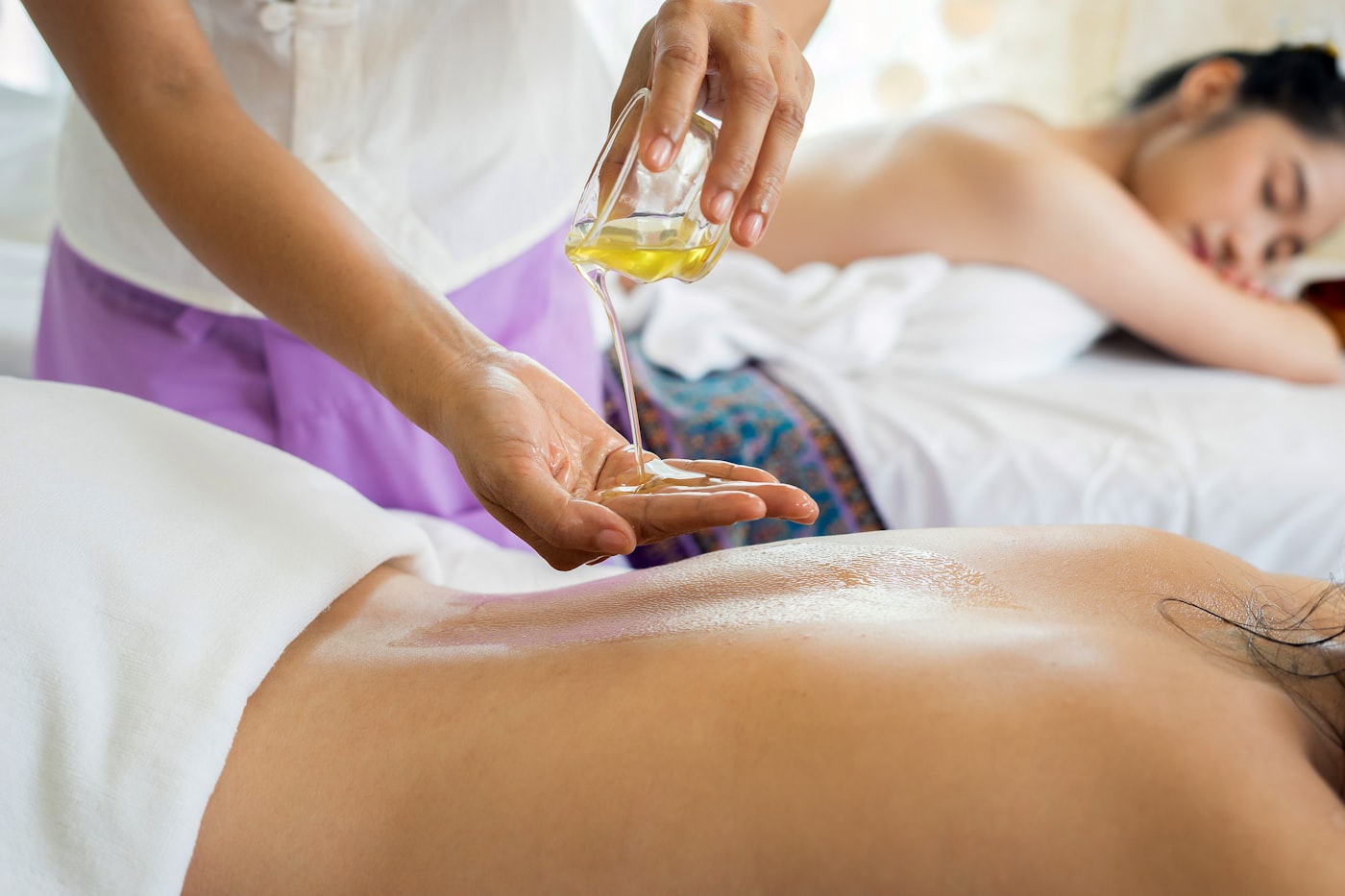
The Recovery Economy
From Surgery Safaris to Burnout Breaks
Corporate burnout is costing global economies billions. Africa is positioned to become the world's premium "nervous system reset" destination — and the B2B pitch writes itself.
The Modern Wine Traveller
USD 108B → USD 358B by 2035
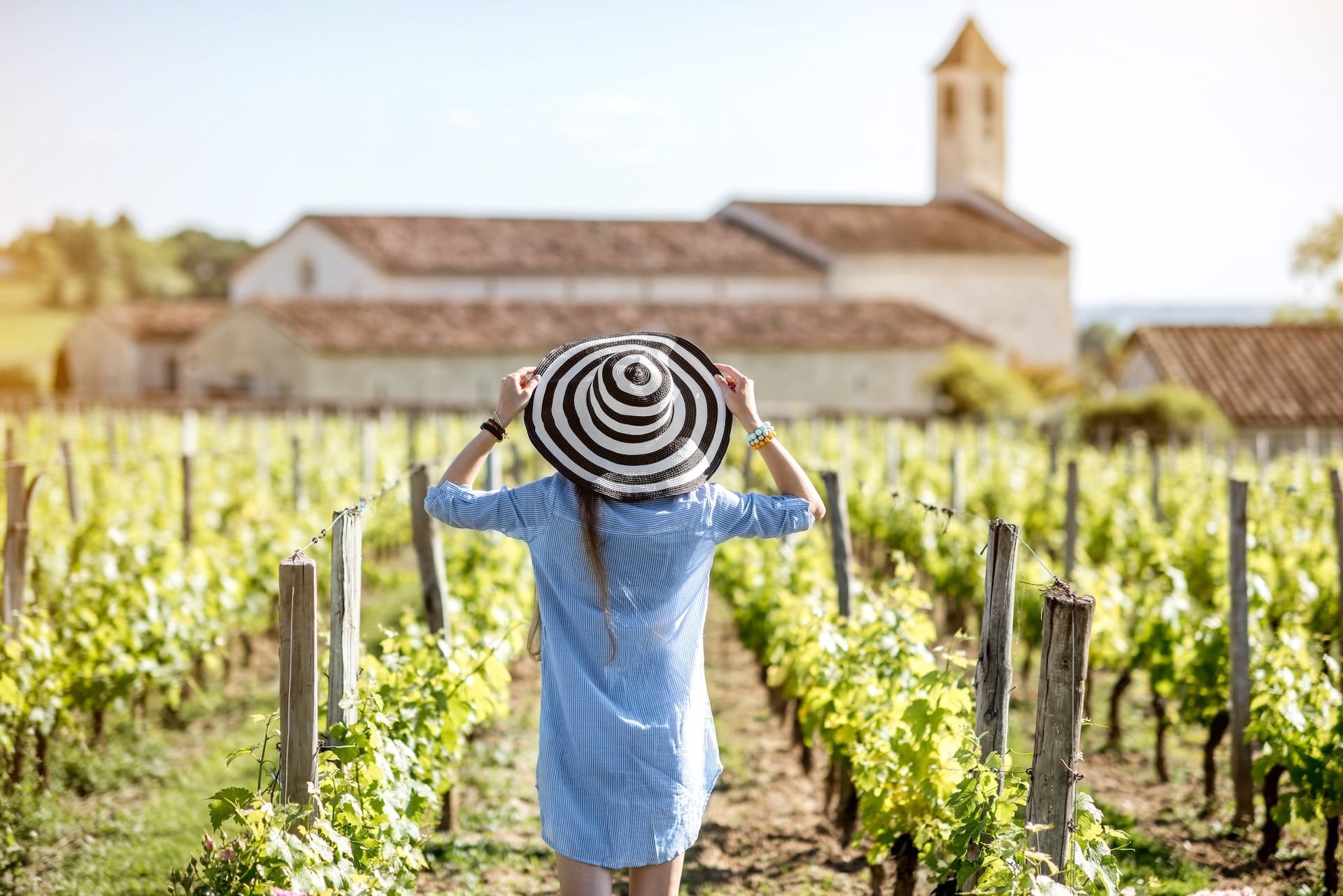
Wine tourism is luxury tourism. The modern wine traveller drinks less but spends more — on trails, beds, and winemakers telling their story outside the cellar. The Cape Winelands Airport opens in 2028.
Adventure Tourism
The Economic Multiplier
R25 billion total economic impact. 91,000+ jobs. Africa's adventure market is projected at USD 53.9B (CAGR 11.2%). Thumbs are not meant for the space bar.
Sports Tourism — The Sweat Economy
Where Growth Will Come From
Snapshot
- Sports tourism is a $2.8 trillion global market by 2030, yet Africa consistently views it through the narrow lens of the mega-event.
- 92% of sports-interested South Africans want to travel locally. 78% have children under 18 — they are experience-hungry, multi-room bookers who use the sporting event as an anchor, not the entire itinerary.
- Chase the parents, not the podium. The real ROI in sports tourism is not the World Cup. It is the school hockey tournament that fills 130,000 hotel beds over Easter weekend, year after year.
The Revenue Model
School sports tours — annual, recurring, multi-room bookings, shoulder season revenue
FIFA World Cup — Morocco / Spain / Portugal. Once per generation.
Johannesburg and London are the only two cities in the world to have hosted a World Cup final for cricket, rugby, and football. Yet, despite this world-class pedigree, the sports and tourism sectors are still running parallel races instead of a unified relay.
The problem? Almost no one is treating sports fans like the high-yield, multi-room, shoulder-season opportunity they actually are. For too long, the tourism industry has viewed sports through the narrow lens of the marquee event — the once-in-a-decade mega-tournament that dominates planning cycles and marketing budgets. The reality is that sports tourism is a sleeper economic powerhouse with the rare ability to stabilise seasonality, fill beds in secondary towns, and distribute tourism revenue far beyond traditional leisure hubs.
Sports tourism is also a critical, yet often misunderstood, component of the MICE ecosystem. Athletes rarely travel alone. They bring coaches, medical teams, and families — and they stay longer.
"Then generally, they stay for longer. They want to acclimatise, so they'll arrive a few days before because they want to get used to the terrain. We're looking at longer lengths of stay when it comes to sports events. And then obviously supply and demand, the ADR goes up, the prices go up."
Lee-Anne Singer, Chairperson, FEDHASA Western CapeWhy Now? The Profile Nobody Expected
Nielsen Sports South Africa's 2025 Fan Insights survey reveals a sports tourism market that is younger, more diverse, and more domestically focused than the industry assumes.
Who Actually Travels for Sports?
- 55%Female — challenging the assumption that sports tourism is male-dominated
- 78%Have children under 18 — making them multi-room, multi-night bookers
- 78%Are Black — underscoring the growth of the domestic African middle-class market
- 63%Earn between R5,000–R39,999/month — solidly middle-income, but willing to spend on experiences
- 92–93%Show strong interest in domestic travel — the highest intent of any leisure segment
These are not one-dimensional "sports fans." They are experience-hungry travellers who use the sporting event as the anchor, not the entire itinerary. They want food festivals, live music, adventure activities, and cultural events alongside the match. The Durban July is not just horse racing; it is fashion, food, and social currency. If operators market only the match and ignore the wine farm, the mountain bike trail, or the township food tour, they are leaving the majority of the wallet on the table.
The Mega-Event Question: Spike or Shift?
South Africa 2010 proved that Africa could host the world. Morocco 2030 is attempting to prove that hosting the world can fundamentally modernise a nation's economy. The shift is from the "one-month spectacle" to a "borderless Mediterranean corridor" — and for African tourism operators, that distinction matters enormously.
SA 2010 vs. Morocco 2030
- $3.6BSA 2010 direct economic impact. Gautrain, stadiums, airports as infrastructure legacy. A national showcase.
- $40BMorocco 2030 estimated investment budget. Al Boraq high-speed rail expansion, multi-purpose venues, digital infrastructure. Target: 30 million annual visitors via trilateral corridor with Spain and Portugal. A decade-long Mediterranean tourism corridor.
As Kelvin Watt, Chairperson, Nielsen Sports South Africa, points out, single-sport events like the World Cup are inherently less financially risky than the Olympics because they can leverage existing infrastructure. South Africa's stadiums remain vibrant assets 15 years later.
The Real Sweat Economy: School Sports and Spectator Tours
Tier 1 — School Sports (Highest Frequency, Highest Cumulative Yield)
The school sports ecosystem is a multi-billion rand industry that is currently undervalued and largely unpacked by major tourism stakeholders. When a child travels for a tournament, they don't travel alone. They bring an entire support squad — parents, siblings, coaches — leading to multi-room bookings and extended stays in towns that leisure tourism rarely reaches.
"Athletes for these kinds of events tend not to visit restaurants and pubs and participate in things other than the event. They'll go there, they'll eat minimalistically... they'll drink a lot of water, they'll participate and they'll typically leave."
Kelvin Watt, Chairperson, Nielsen Sports South AfricaThis observation is critical: the real spend is not the athlete. It is the family. It is the parent who books the restaurant, the sibling who buys the experience, and the coach who extends the stay for a game drive.
The Scale of School Sports Tourism
- 130,000People flow into Johannesburg over a single Easter weekend, driven by just 22,000–26,000 school athletes and their families
- 450School hockey teams travelled to South Africa in 2024, primarily from the UK, Chile, Argentina, Australia, and New Zealand
- 150+British private schools regularly send mega-tours of 150+ children, with full contingents of staff, parents, and siblings across rugby, netball, and hockey
- Top-tier rugby schools from Australia and New Zealand, including St Joseph's Nudgee College and Westlake Boys High School, participate in prestigious South African festivals like the St. John's College Easter Rugby Festival.
- Zimbabwe and Namibia are significant players in this circuit, creating a resilient regional travel economy built on annual, recurring school festivals.
These tours represent a high-frequency, plannable revenue source — often recurring annual events that allow tourism operators to forecast and prepare years in advance. Something no mega-event can offer.
Tier 2 — High-Value Spectator Tours (Moderate Frequency, High Yield)
Professional spectator tours — such as the upcoming Greatest Rivalry Rugby Tour when the All Blacks tour South Africa — bring fans who stay for weeks, hitting wine farms, restaurants, golf courses, adventure activities, and safaris between matches. Unlike mass participation athletes, these visitors spend broadly across the tourism ecosystem.
Tier 3 — Mega-Events (Low Frequency, High Visibility)
Mega-events like the Comrades Marathon and Cape Town Cycle Tour are iconic but must be understood for what they are: high-visibility, low-dispersal events. Mass participation athletes spend minimally outside their event. The real value lies in the media exposure and destination branding they generate, not the per-head spend.
The Data Blind Spot
The industry's greatest structural hurdle is not a lack of talent or facilities. It is a chronic lack of hard data. While airport arrivals can be tracked with 100% accuracy, the actual economic footprint of a sports tourist once they leave the terminal remains largely anecdotal. Hotel reporting is voluntary, and many smaller operators do not report data. Subscriptions to tracking services like STR/CoStar are unaffordable for many operators.
This transparency gap prevents the sector from lobbying Treasury (without data, it is nearly impossible to motivate for better funding), countering over-tourism narratives, and deploying marketing spend effectively.
Hard Stats
- 1:2.5For every one sports visitor, an estimated 2.5 employees in the tourism industry are supported
- R600M+Annual economic contribution of the Comrades Marathon to the KwaZulu-Natal economy, supporting approximately 1,800 jobs
- $2.8TProjected global value of sports tourism by 2030, with an implied annual growth rate of roughly 17.5%
Why It Matters Commercially: From Athletes to Property Owners
The impact of sports tourism extends into unexpected long-term territory. High-profile international players (such as those in the SA20) have begun buying holiday homes in areas like Paarl and Val de Vie after spending tournament time there. The 2010 FIFA World Cup delivered long-term earning assets — the Gautrain, upgraded stadiums, and expanded airports — that continue to facilitate all forms of tourism today.
In Mossel Bay, the municipality shifted from operating assets to enabling them, leasing campsites to private operators. This turned underutilised assets into steady income streams while filling the town with thousands of visitors for recurring events like the Ironman. It is a replicable model.
What Leaders Must Do Next
- 1
Chase the Family, Not the Athlete. Package the purpose of travel. If 450 hockey teams are visiting, proactively market safari bundles, local dining, and adventure activities to their families months in advance. The athlete's spend is limited. The family's spend is not.
- 2
Build the Data Infrastructure. The sector cannot lobby, market, or plan without data. Operators must collectively push for standardised, voluntary reporting mechanisms that allow the industry to prove its economic footprint. A formalised link between sports bodies and tourism operators is the starting point.
- 3
Think Recurring, Not Spectacular. Events like Jazz on the Rocks show that a single recurring event can sustain an entire community for a year. Sports events offer this same recurring reliability. Stop planning for the once-in-a-decade spike and start building for the annual plateau.
- 4
Link Events to Bucket Lists. Athletes want bucket list experiences. Destinations should explicitly package events alongside adventure tourism — tracking apex predators, mountain biking through wine country, or township food tours. The match is the reason to come. The experience is the reason to stay.
From Surgery Safaris to the Recovery Economy
Snapshot
- Africa's medical and wellness market will reach $19.16B by 2031. Globally, wellness tourism will hit $1.3 trillion in 2026.
- The Bottom Line: B2B wellness — where companies pay to restore their executives' productivity — offers exceptionally high yields. Poor mental health costs UK employers £51B/year; for every £1 spent on wellness, they get £4.70 back. Stop selling massages; start selling nervous system resets.
The Commercial Case
Africa's medical and wellness market by 2031
Return for every £1 spent on employee wellness (Deloitte)
With Africa's medical and wellness market valued at $13.47 billion in 2025 and projected to reach $19.16 billion by 2031, the sector is no longer niche — it's a serious force within the broader travel economy.
Africa Wellness Tourism Market
Projected Market Size 2025–2031 (USD Billions)
Market 1 — Clinical Travel: The Affordable Alternative
What began more than 20 years ago as "surgery safaris" — cosmetic procedures paired with bucket-list destinations — has evolved into a far wider offering. Today, international patients are travelling for dental implants, oncology treatment, cardiac care and more. Competitive exchange rates and English-speaking medical professionals have strengthened Africa's position as a viable alternative in the global healthcare market.
Fatima Johnson Arukwe, founder and director of Travel 4 Health SA, says demand shifted markedly after COVID-19. "We saw a change pre-and post-pandemic, with more people travelling for elective procedures and wanting more than just a safari. They're looking for spa experiences and structured recovery time. And not all visitors are surgical patients — some simply want to recover from burnout in a different environment."
She adds that the appeal extends beyond clinical expertise. "In addition to the high standard of care and equipment, there are medical-assisted recovery homes that cater specifically to post-surgery patients. They're often more affordable than a normal Airbnb, guesthouse or hotel. Patients can be visited by nursing staff as needed, while still having the privacy and quiet required for proper recovery."
Post-COVID, she adds, flexibility has reshaped expectations. "Wi-Fi means we can work from anywhere. While some travellers seek a full digital detox, connectivity remains essential for others, particularly younger clients who see travel as boundless rather than disconnected."
The commercial case for clinical travel is straightforward: the price differential between Africa and Western markets remains significant enough to justify the journey. Arukwe's observation that clients want "more than just a safari" is the commercial signal. The medical trip is the reason to come. The tourism experience is the reason to stay longer, and spend more.
The Cost Comparison
Dental implants illustrate the price gap starkly: South Africa R15,000 · USA R40,000 · UK R25,000. The differential across cosmetic procedures is equally significant:
| Procedure | USA (avg) | Western Europe | Eastern Europe |
|---|---|---|---|
| Blepharoplasty (eyelid surgery) | $4,000–$5,500 | $3,000 | $2,000 |
| Botox (per area) | $200–$400 | $200 | $100 |
| Breast augmentation (saline) | $5,000–$6,500 | $4,500 | $3,500 |
| Breast augmentation (silicone) | $6,000–$8,000 | $5,000 | $4,000 |
| Breast elevation | $5,000–$6,000 | $4,500 | $4,000 |
| Breast reduction | $6,000–$8,000 | $5,000 | $4,500 |
| Cheek or chin implants | $3,000–$4,500 | $2,500 | $2,000 |
| Deep chemical peel | $3,500–$5,000 | $2,000 | $1,500 |
| Facelift | $7,000–$9,000 | $6,000 | $5,500 |
| Forehead lift | $3,500–$5,000 | $3,000 | $2,500 |
| Laser hair removal (per area) | $300–$800 | $250–$800 | $200–$600 |
| Laser eye surgery | $3,500–$4,000 | $2,500–$3,000 | $2,000 |
| Lip augmentation | $600–$2,000 | $500–$1,500 | $1,000 |
| Liposuction (1 area) | $2,500–$4,500 | $2,500 | $2,000 |
| Liposuction (3 areas) | $5,500–$7,000 | $5,000 | $4,000 |
| Liposuction (4 areas) | $8,000–$10,000 | $6,500 | $5,500 |
| Male breast reduction | $5,000–$6,000 | $4,500 | $4,000 |
| Rhinoplasty | $5,000–$6,000 | $4,500 | $4,000 |
Source: cosmeticmiracles.com
What Leaders Must Do Next
The clinical travel market requires a level of operational infrastructure — accreditation, aftercare, recovery facilities — that most leisure operators are not equipped to provide. The opportunity for the broader tourism sector lies in the wraparound: accommodation, recovery experiences, and the extension of the medical trip into a leisure stay. The medical trip is the reason to come. The tourism experience is the reason to stay longer and spend more.
Market 2 — Recovery Travel: The Burnout Economy
According to Forbes Africa, drawing on reports such as the 2024 Gallup State of the Global Workplace Report, something isn't working. Engagement and wellbeing are down and productivity is suffering. Only about a third of employees globally say they're truly thriving. The rest? Burned out, stressed and mentally and physically exhausted.
It's no surprise, then, that wellness travel is booming. People aren't just booking holidays — they're looking for recovery: experiences that promise to reset the mind, body and spirit. Globally, the wellness tourism market is expected to hit $1.3 trillion this year, with Africa projected to capture around $94 billion of that spend.
But not all wellness travel offerings are equal. London-based luxury events specialist Seyi Olusanya, owner of Once Upon a Destination, says the explosion of the wellness market turbocharged by social media and AI often makes her roll her eyes.
"Every week there's a new buzzword. Mindfulness safaris. Wellness sanctuaries. Burnout retreats. Yoga-and-meditation journeys. The labels are multiplying faster than the meaning."
Seyi Olusanya, Once Upon a Destination"I'm continuously receiving 'offers' for retreats in far-flung destinations that offer little more than what's available locally in the UK. What people really want are authentic experiences where they can genuinely decompress from the high-pressure world we live in.
"Needs and markets are shifting with more requests coming from Africans wanting to travel within their own continent, especially when it comes to wellness. I'm seeing groups of women wanting time away from corporate environments to reconnect on a human level. Whether it's tracking gorillas in Uganda or a luxury retreat in Cape Town's winelands, we design tailor-made journeys that leave them refreshed and ready to re-enter the world."
Why Now? The Executive Health Crisis
The burnout economy is not abstract. It has names and faces.
When top mining executive Petro du Pisani started noticing some danger zones in her health — such as high blood pressure — she realised that carrying on in her high-pressure job could have serious consequences for her. "I was definitely on the path to burnout and realised I needed to live my life in a different way, more aligned to my purpose and what's really important to me."
Although a sabbatical or an extended break had been on her mind for several years, with her company constantly restructuring there never seemed to be the perfect time. "If I did want time off it had to come out of my leave — there were no wellness or mental health days. I even asked if I could take at least three months off, after which I'd return to the company but I was turned down."
This saw du Pisani realising if she wanted a change of lifestyle, she had to make it happen — and after resigning, training and completing the Three Passes Trek in Nepal and taking several coaching courses, she now owns her own coaching practice, guiding others through this difficult journey. "My Nepal trip really helped put my life into focus. Just having the space and time away from corporate noise gave me perspective. Companies today need to be more conscious of their employees and without having to give a year off, they need to give people a chance to rest and revitalise."
"We get calls on a daily basis from people dealing with toxic work environments, stress and burnout who are overwhelmed," explains Cassey Chambers, Operations Director at the South African Depression and Anxiety Group. "And this isn't just at the end of the year. Even having a two or three week break then isn't always enough to recharge their batteries and see them coming back to work energised at the beginning of the year.
"In terms of corporate awareness around this issue, although more companies are taking mental health more seriously it's still not enough. They'll respond when someone is in crisis or burnt out but they shouldn't wait until this happens.
"Even short 4-to-5-day breaks would help but far better is a 10-day trip somewhere right away from their everyday lives. If they can plan breaks at the beginning of the year, then that also gives them something to look forward to. What employers don't realise is the effect this stress and anxiety has on the person's performance and ultimately the time off they would need to recover."
Red Flags of Burnout
- Constant exhaustion: Poor sleep, low energy, frequent illness
- Emotional drain: Anxiety, detachment, numbness, or self-doubt
- Irritability: Short temper, mood swings, feeling overwhelmed
- Disengagement: Cynicism, loss of motivation, caring less about work
- Behaviour changes: Withdrawing, procrastinating, missing deadlines
- Coping crutches: Increased reliance on caffeine, alcohol, or other substances
- Checking out: Neglecting self-care or mentally "switching off"
Why It Matters Commercially: The B2B Wellness Opportunity
The highest-yield opportunity in recovery travel is not the individual booking their own retreat. It is the company paying to restore their people.
The Numbers Make the Case
- £51B Poor mental health costs UK employers per year. (Deloitte, 2024)
- £4.70 Return for every £1 spent on supporting employee mental health and wellbeing. (Deloitte, 2024)
- Top 5 Sabbaticals identified as one of the top five workplace trends by Adecco, the world's largest HR company.
- Harvard Business Review research confirms that sabbaticals are growing exponentially.
This is the B2B pitch that African wellness operators are not yet making loudly enough: you are not selling a retreat. You are selling a productivity intervention with a measurable return on investment.
What Leaders Must Do Next
- 1
Stop Selling Wellness. Start Selling ROI. The corporate buyer does not respond to "mindfulness safari." They respond to "your executive team will return measurably more productive." Reframe the product in the language of the buyer. Package recovery travel as a business investment, not a personal indulgence.
- 2
Design for the Two Markets Separately. Clinical travel and recovery travel require completely different operational infrastructure, marketing channels, and buyer conversations. Conflating them in a single product or brochure confuses both audiences. Know which market you are serving and build accordingly.
- 3
Target Women's Groups and Corporate Teams. As Olusanya notes, the fastest-growing segment within recovery travel is groups — specifically women wanting time away from corporate environments to reconnect. This is a high-yield, high-loyalty segment that responds to tailored, curated group experiences rather than off-the-shelf packages.
- 4
Build the Wraparound. Whether the primary reason for travel is clinical or emotional recovery, the opportunity for the broader tourism sector is the same: extend the stay, deepen the experience, and connect the recovery journey to Africa's extraordinary landscapes, communities, and culture. The procedure or the retreat is the reason to come. Africa is the reason to stay.
The Modern Wine Traveller
Snapshot
- Global wine tourism market: USD 108.3B (2025) → USD 358.6B by 2035 (CAGR 12.7%).
- Cape Winelands Airport opening 2028 — direct international arrivals into the heart of the Winelands.
- The Bottom Line: Wine tourism is luxury tourism. It needs to be priced and presented accordingly.
Global Wine Tourism Market
2025 → 2035 · CAGR 12.7% · Cape Winelands Airport opens 2028
New markets, new money, and a whole new mindset: While the core wine tourist is still 45–65 years old, a younger, more curious visitor is quickly closing the gap — and driving demand for niche, local and nature-based offerings.
Luxury tourism is in transition. It's shifting from the 'material' to the 'experiential' as a new generation of traveller looks for personal enrichment and cultural immersion.
Hans Belz, Conference Director for the Wine Tourism Conference 2026 and Senior Partner at OnePoint Group, says it's best described as "depth over decadence" — and nowhere is it more evident than in a changing global wine industry.
In October 2025, Hochschule Geisenheim University, in collaboration with UN Tourism, the International Organisation of Vine and Wine (OIV), the Great Wine Capitals Global Network and WineTourism.com, released their highly anticipated Global Wine Tourism (GWT) Report 2025 — covering 1,310 wineries across 47 countries worldwide — revealing a modern wine traveller that is younger, digitally fluent, value-driven and eager to learn. The profile of wine tourists shifted younger in 2024: in Napa Valley, average visitor age dropped from 46 to 40 between 2018 and 2023; in Argentina, international travellers aged 18–35 made up 40.7% of visitors compared to 41.9% aged 36–50.
And yet, when those 1,310 wineries were asked about the challenges facing the industry today, the changing preferences of younger consumers came in at no. 3 — behind decreasing consumption (1) and economic pressures (2), but well ahead of climate change (8) and sustainability and environmental concerns (13). Source: GWT Report 2025.
The modern wine traveller is, in many ways, a walking contradiction. They discover destinations through quick, 10-second Reels and TikTok videos, yet once they arrive, they want to slow down completely. They'll spend a morning following vineyard workers on a tractor and call it the highlight of their trip. They'll jump from trend to trend, while, at the same time, yearning for simpler times. The quick, short-form content that draws them in can't be too polished either: raw, real and unscripted is what converts (while they still want to capture their own Instagram-worthy moments).
Younger generations are drinking less — but while they won't necessarily drop R1,000 on a case of wine, they will happily spend it on a blending workshop or harvest experience. They're obsessed with newness and innovation but equally drawn to historic vines, heritage varietals and pre-industrial farming methods. They reject wine snobbery entirely, but love to learn — in the most accessible, engaging way possible.
"Gen Z will spend R1,000 on a half-day wine farm experience — a regenerative farming experience, the vineyard tour, the sustainability story. But they won't spend 1,000 rand on a case of wine. People are spending money. They're just spending it on something with more depth and more meaning."
Hans Belz, Wine Tourism ConferenceImportantly, this means the passive tasting-counter experience — arrive, sip, leave with a case under your arm — is no longer sufficient to attract or retain the modern wine tourist. Belz is direct about where the industry needs to go. Wine farms with a purely traditional offering, he says, are losing ground. The farms that are thriving are those adding layers — experiences that go well beyond the wine itself.
"At Delaire Graff, for example, people go for the restaurant, the art galleries, the sculpture garden. The wine is only fourth or fifth on the list of reasons to visit. And last year, Delheim's mushroom foraging experience proved so popular, they extended it across two weekends. Wine farms are becoming full tourism destinations in their own right."
Hans Belz, Wine Tourism ConferenceMarisah Nieuwoudt, Wine Tourism Manager for South Africa Wine, says the modern wine traveller is moving from "spectator to participant". Wine tastings still account for 36% of wine tourism activities (ahead of restaurants at 26% and accommodation at 18%), but there is a reinvention underway. Both Belz and Nieuwoudt believe that South African estates are well positioned to meet the needs of travellers increasingly looking for: vineyard walks with viticulturists; blending workshops and harvest experiences (including picking and stomping); vertical tastings with context — sampling the same wine across several different vintages; behind-the-scenes cellar access; and masterclasses rooted in regional identity. Themed tastings and pairings are leading this reinvention — Baccō Estate's savoury cannoli pairing and Stellenrust's cake pairing are two examples: modern, joyful and wonderfully accessible.
Six Shifts Defining the Modern Wine Traveller
Marisah Nieuwoudt, Wine Tourism Manager for South Africa Wine, says the modern wine traveller is moving from "spectator to participant", and this is only one of six trends transforming the industry:
1. From Spectator to Participant
Both Belz and Nieuwoudt believe that South African estates are well positioned to meet the needs of travellers, who are increasingly looking for: vineyard walks with viticulturists; blending workshops and harvest experiences (including picking and stomping); vertical tastings with context (sampling the same wine across several different vintages); behind-the-scenes cellar access; and masterclasses rooted in regional identity. Wine tastings still account for 36% of wine tourism revenue, ahead of restaurants (26%) and accommodation (18%), but there is a reinvention underway — themed tastings and pairings like Baccō Estate's savoury cannoli pairing and Stellenrust's cake pairing. Think tasting with a twist: modern, joyful and wonderfully accessible.
2. The "Tapas Effect"
Welcome to a world of short-form, bite-sized and "snackable content", one where TikToks, Reels and YouTube Shorts introduce younger generations (predominantly Millennials and Gen Z) to new destinations, new brands, new experiences, and yes, new wines. Just as a spread of tapas provides a high variety of small dishes (rather than one large entrée), this content style breaks down information into 15–60 second clips that are entertaining, engaging and easy to share.
Wine is no longer first encountered on a shelf; it is encountered on a screen.
Marisah Nieuwoudt, South Africa WineAs Nieuwoudt explains, more consumers are engaging with wine education, but in shorter, modular formats. Online platforms like Instagram — alongside micro-learning opportunities, guided pairing moments and short masterclasses — are replacing lengthy technical tastings and nurturing a new crop of wine lovers across the world.
Take a look as the.wine.auntie introduces Cap Classique wines:

@the.wine.auntie
Scan or click to follow — Cap Classique wines introduced to a new generation.
Follow on Instagram3. Mobile & Lifestyle Events (AKA Bringing Energy Back to Wine)
If you've ever been to one of Stellenbosch's summer Street Soirées you'll understand what Nieuwoudt means when she talks about mobile and lifestyle events. Hosted by Stellenbosch Wine Routes, it brings wine tastings, street food, live music and a vibrant atmosphere to the streets of Stellenbosch. Alongside pop-up tastings in urban areas, other examples include:
- Music festivals and vineyard concerts (including Watershed's 25th Anniversary Concert at Cape Point Vineyards and Steenberg's Sunset Soirées)
- Fashion and design collaborations (like Donnafugata Winery partnering with Dolce & Gabbana to celebrate the Sicilian way of life!)
- Food trucks and casual activations (think secret sunrise at Nitida or Beau Constantia's legendary food trucks)
Wine tourism has become the wine industry's most powerful marketing tool — and for younger audiences who are less loyal to brands and more drawn to cultural experiences, a well-designed event or activation is worth its weight in gold.
4. A Food-Forward Wine Culture
One of the most significant shifts in wine tourism is the move from wine-led dining to a food-led wine culture. The modern wine traveller is no longer choosing a destination based solely on cellar prestige. Increasingly, the food on the plate determines the wine in the glass. Globally, fresher, more drinkable styles are gaining ground: sparkling wine is growing in popularity (shifting from celebration-only consumption to everyday enjoyment); rosé is shedding its summer-only reputation; chillable reds are earning a place on contemporary restaurant lists; lighter, food-friendly styles are quietly outperforming heavier, oak-driven formats. The modern wine traveller seeks conviviality over ceremony, freshness over weight, and versatility over hierarchy.
5. Views, Moves and Vinotherapy
As Belz explains, younger visitors don't just want to sit on a picnic blanket and have lunch. They first want to do something. Head out on a bike ride, complete a trail run, or join a nature walk or vineyard tour. Today's tastings are earned through exercise and adventure — and enjoyed in the fresh air. Luxury tourism is transitioning from excess to wellbeing. In response, wine estates are integrating:
- Yoga in the vineyards
- Vinotherapy (specialised spa treatments that incorporate grape extracts in their scrubs, oils and balms)
- Mindfulness retreats
- Outdoor, nature-based experiences (for example, garden tours at Vergelegen)
- Sporting events (like Trail Fun's autumn series at the likes of Neethlingshof, Devonbosch, Kaapzicht, Vredenheim and Mooiplaas)
6. Back to the Land (and a Search for Simpler Times)
"New Nostalgia" or "newstalgia" is a trend that merges cherished, retro elements with modern technology and values, offering comfort amid current instability and calm in the face of information overload. Luxury travel is not immune. Perhaps one of the most compelling shifts is not toward more technology or more excess, but less.
Nieuwoudt believes the modern wine traveller is driven by a longing for simpler, slower, more grounded experiences that prioritise heritage over novelty, craft over convenience, agriculture as culture, and tradition as luxury. Both Nieuwoudt and Belz are quick to share examples, including Soetmelksvlei at Babylonstoren (which honours the region's legacy of artisanry and celebrates farm life in the late 19th century), and Spier's guided heritage walks (which reveal Spier's 330-year history and commitment to ecological restoration).
In a similar vein, travellers are moving beyond the idea of simply "doing less harm" toward a more hopeful narrative of regeneration. Regenerative viticulture, for example, the practices in use at Hartenberg (which recently became the first South African, and only the third global, wine estate to be verified as regenerating the land under the international Ecological Outcome Verification), speaks to:
- Restoring soil health
- Increasing biodiversity
- Working with nature, rather than against it
Nieuwoudt believes that in a world of speed, automation and over-consumption, what is authentic or handmade becomes rare again, and therefore luxurious. She believes the modern wine traveller is becoming increasingly interested in:
- Local or indigenous rootstock
- The rediscovery of heritage varietals
- Hand harvesting
- Barrel pressing
- Minimal intervention winemaking
- Sustainable practices that benefit local communities
Belz agrees. "The question used to be: how good is your wine? Now it's: how good are you? How are you looking after your land, your employees, and your community? Are you sourcing goods and services from local businesses within a 10 km radius of your farm? It matters more than ever before."
The modern traveller drinks less, but better. Wine becomes part of a holistic lifestyle offering — wellness-driven wine tourism expands the market beyond traditional wine consumers.
Marisah Nieuwoudt, South Africa WineOpportunity is There
Global Wine Tourism Market
Projected Market Size 2025–2035 (USD Billions)
The worldwide wine tourism market is projected to grow from USD 108.3 billion in 2025 to USD 358.6 billion by 2035 (CAGR 12.7%, Future Market Insights). In South Africa, a new airport is three years away. South American routes are opening. Visitors from across Africa are arriving in growing numbers. The traditional markets — UK, Germany, USA — remain strong. In short, the timing has never been better.
Not only that, but international visitors are accustomed to paying for wine experiences, and they expect to. The mindset shift required is straightforward, even if it isn't easy: wine tourism is luxury tourism. It needs to be priced and presented accordingly.
To Remain Competitive
- →
Get digital. As @wine.gini (Georgia Panagopoulou) puts it: if you're not on their phone, you're not part of the choice. An online presence is no longer optional — it's the first tasting.
- →
Add layers. Spend is shifting from consumption to experiences. The wine is still central, but it's no longer the whole story.
- →
Be authentic. You cannot copy what is happening on the farm next door. The experiences that resonate most deeply are the ones that could only happen here, on this land, with these people. Belz recalls sitting down for lunch at AA Badenhorst's Kalmoesfontein, an estate in the Paardeberg, where ten guests sat down to eat a simple, authentic farmworkers' lunch, without performance or polish — and the international visitors called it the best thing they'd done in the Winelands.
- →
Charge appropriately. Waiving the tasting fee is a relic of another era. Estates in Napa Valley charge for everything. Value your expertise.
- →
Let the winemaker out of the cellar. Ten minutes, a handshake, a story about the current vintage — it frequently becomes the highlight of the day.
- →
Think about beds. Visitors increasingly want to stay, not just visit. A full day of experiences followed by a night on the estate — waking up in the vineyard — is the direction the market is moving. Accommodation is fast becoming a baseline expectation, not a bonus.
South Africa's wine tourism offering is already among the best in the world. The modern wine traveller — curious, values-driven, experience-hungry, and willing to spend — is exactly the visitor these estates were built for. The cellar door is wide open. What happens next is up to the industry.
Adventure Tourism — The Economic Multiplier
Snapshot
- South Africa: R12 billion direct revenue in 2024 (up from R10B in 2023). Total economic impact: R25 billion.
- Global market projected to reach USD 1.68 trillion by 2032 (CAGR 9.42%).
- Africa's adventure tourism estimated at USD 18.4 billion by end 2025, projected USD 53.9 billion at CAGR 11.2%.
- 91,000+ jobs supported directly in South Africa alone.
Africa Adventure Tourism — Market Growth
Africa projected · CAGR 11.2%
Adventure tourism is no longer a niche market for adrenaline junkies. It is a powerful economic force reshaping how — and where — tourism revenue flows across destinations.
A new SATSA and Futureneer Advisors white paper reveals South Africa's adventure tourism industry generated R10 billion in revenue in 2023, rising to R12 billion in 2024. When the economic impact multiplier is applied, the sector's total contribution reached R25 billion in 2024, supporting over 91,000 jobs.
Behind these figures are thousands of people in new or better jobs — many in places and communities that tourism used to overlook. And this only captures direct expenditure at adventure operators. It excludes accommodation, transport, and meals flowing to local providers, meaning the true economic footprint is substantially higher.
Across the continent, the momentum is building. By the end of 2025, Africa's adventure tourism market is estimated at USD 18.4 billion, projected to reach USD 53.9 billion with a CAGR of 11.2%. Rising international arrivals, infrastructure development, and experiences based on nature and culture formalised into export-ready tourism products are driving this growth.
Hard vs Soft Adventure: Two Commercial Realities
To capture this market, operators must understand how the sector is bifurcating. Quintin Smith, founder of Bikes 'n Wines, draws a critical distinction: "My view is that adventure tourism is active travel to an unknown destination, with a sense of uncertainty and either perceived or actual risk. That's where people talk past each other about hard adventure and soft adventure — but both fit. For some, a safari is a soft adventure. It feels slightly dangerous, but it's accessible and commercial."
Hard Adventure
Expedition-style — paddle the length of a South African river, hike unsupported for seven days. Thrives on isolation. Doesn't need infrastructure — people want remote, inaccessible locations. Niche but extremely high-yield per participant.
Soft Adventure
Can be packaged as part of a vacation trip — easily accessible, done in a short timeframe. Requires critical mass of activity, accommodation, and accessibility. Needs infrastructure. This is the volume, recurring-revenue play.
Both with entirely different commercial realities. "Hard adventure is expedition-style adventure, where you might paddle the length of a South African river or hike unsupported for seven days. Soft adventure can be packaged as part of a holiday — easily accessible, done in a short timeframe," says Smith.
The Infrastructure Reality
While hard adventure thrives on isolation, the highly lucrative soft adventure market requires a strategic approach to destination development.
Smith warns: "You need critical mass of activity, accommodation, and accessibility to be self-sustaining. If it's a one-horse town with just one activity, it's not commercially viable. Hard adventure doesn't need infrastructure — people want remote, inaccessible locations. But soft adventure needs accessibility, ease of access, cost-effectiveness, and year-round sustainability."
The Competitive Edge
Across Africa, ATTA's 2026 travel trends reveal that cultural immersion, heritage storytelling, conservation-led experiences, and slower, more meaningful journeys are shaping demand. Rwanda, Uganda, Zambia, Zimbabwe, and Madagascar are flagged as alternative safari destinations, while investment is putting Angola and Algeria on the tourism map.
But at its core, the appeal of African adventure tourism relies on the element of the unknown. Mark Brown, founder and owner of Canopy Tours South Africa, notes:
"Adventure to me is where the outcome is uncertain. If you know what's going to happen, then it's not an adventure. For international visitors, even a safari is adventure tourism because around the next corner, you don't know what you're going to see."
Mark Brown, founder and owner of Canopy Tours South AfricaAdventure tourism is happening now. The infrastructure is developing, and the global market is surging. But success depends on recognising that adventure tourism's greatest asset isn't the next piece of equipment or digital platform; it's the people who create authentic connections between travellers and Africa's extraordinary landscapes.
Thumbs are not meant for the space bar on phones. They're meant for holding onto branches and paddles and ropes and things.
Mark Brown, founder and owner of Canopy Tours South AfricaPart Four
What It Takes to Win
Where Money Lands, Maps Change
Infrastructure as Competitive Strategy
SAATM stalls · 50K seats cut in Tunisia
Tourism does not create infrastructure. Infrastructure creates tourism. Capital follows the runway — and Africa's airport pipeline, hotel development, and all-inclusive debate will decide who captures the next decade.

The NextGen Workforce
World's Largest Workforce by 2035
1.1B workers · 12M jobs/year shortfall
By 2035, Africa will have the world's largest workforce. Tourism can absorb millions — but only if the skills pipeline, wage structures, and dignity of service careers are addressed now.
Where Money Lands, Maps Change
Snapshot
- Infrastructure investment during 2020–2024 is now paying off. Ethiopia, Angola, and Morocco are reaping the rewards. Amidst geopolitical friction in the Middle East, South Africa-bound travellers aren't cancelling, but adjusting to easier and accessible intra-travel options.
- The Single African Air Transport Market (SAATM) is stalling due to political protectionism.
- The Bottom Line: Tourism does not create infrastructure; infrastructure creates tourism. Capital aggressively follows the runway. Real estate and hospitality investment will only land where the tarmac is laid.
SAATM — Single African Air Transport Market
You don't have to look too far to see the evidence of the above. Vast tracts of land previously inaccessible are now becoming tourism and safari havens for thousands of new visitors to Africa.
And with investment in tourism comes improved infrastructure — roads, clinics, airstrips, and Wi-Fi — turning wildlife into livelihood and landscapes into economies.
African tourism consultant Jon Danks, CEO of Commercial X, is often called upon by the investment community for advisory support around African opportunities. "From the largest projects to the smallest lodges, there's a genuine appetite for capital investment across the continent."
Danks works primarily in Asia where he's frequently consulted about tourism issues in fields such as supply chains to aviation and all the obstacles in between. "There's a genuine interest there for capital investment across the continent, but this comes with a slight fear and a narrative where Chinese investment, certainly in tourism, follows levels of comfort, with a real parity between China and East Africa, particularly Kenya and Tanzania, more than the Southern African countries."
Why Now? The Connectivity Gap
One of the hardest issues to overcome is the lack of connectivity when it comes to transport — not just for international visitors reaching Africa, but once here navigating the journey to their destination. "Kenya for instance benefits from direct air lift into places like Mumbai, as does Kampala," explains Danks. And it's not just passengers that these routes cater for, but cargo, which is sorely lacking in Sub Saharan Africa.
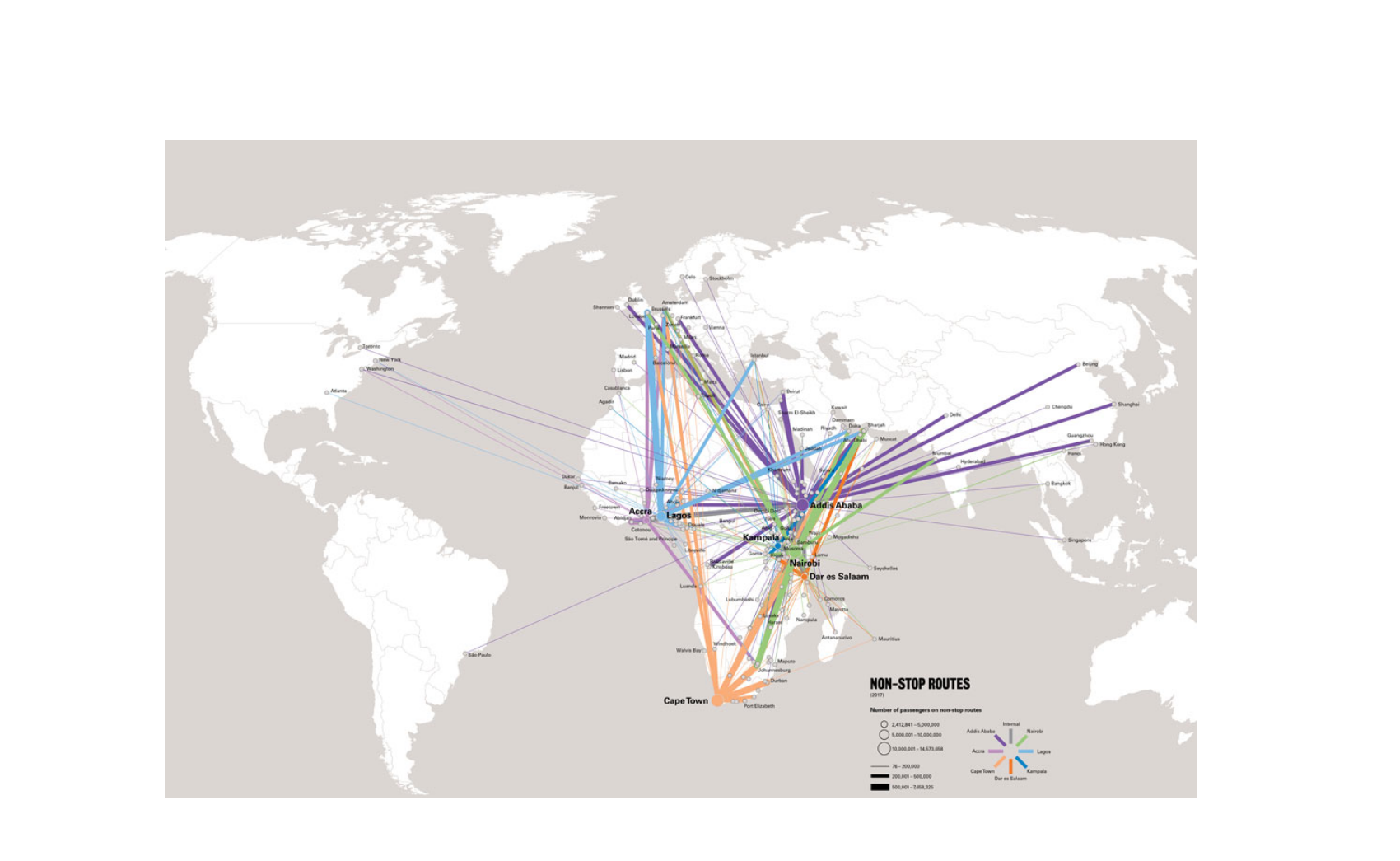
Referring to current Middle East disruptions, Dorine Reinstein, Contributing Editor at Travel Weekly and Content Director at Big Ambitions, notes the mindset of international luxury travellers, particularly in the USA, is not centred on whether to travel or not, but rather on how to make the journey happen. "Despite airline pricing from direct carriers, my engagement with local South African operators shows that clients are making pragmatic compromises to protect their time in the African bush. To make up for flight pricing shifts, budget-conscious travellers are increasingly opting to skip remote bush flights in favour of a simpler Cape Town and Kruger National Park itinerary, underscoring the growing importance of reliable, accessible local travel connectivity. It can help reduce booking cancellations in favour of adjustment."
The SAATM Problem
Paul van den Brink, project lead for Cape Town Air Access (CTAA), comments: "For over 20 years there have been discussions around the Single African Air Transport Market (SAATM), the African Union's goal to create a single unified air transport market in Africa. And this really needs to happen fast. Although 38 countries have signed up for SAATM, the implementation is very slow. This also has to do with countries' transportation departments. Governments are protecting their own airlines and interests with implementation on a case-by-case basis, which sees politics playing a large role here."
New Safari Destinations: The Emerging Map
Whilst transport and visa access still remains an issue, the luxury safari industry remains a viable industry. When you think safari, you think Sub Saharan and East Africa, but new destinations such as Uganda and Rwanda are claiming their share of the market. "These are more classic safari destinations focused mainly on primates, rather than general game viewing," explains Steffi Presske, co-owner of Gondwana Safaris and Tours.
Gorillas are a big attraction for overseas visitors, but it took a lot of convincing from researchers to get the Ugandan government to realise just how lucrative a project this could be, with Bwindi National Park seeing rising numbers of gorillas without any loss of habitat. "Today we're offering mixed itineraries with other safari destinations, giving tourists a complete safari experience," says Presske. "Angola is also a new upcoming tourism and safari destination, but it's still early stages with obstacles to overcome in terms of infrastructure. Some big safari industry key players are already investing there so watch this space."
African Hotel Development Pipeline — 2025
| Region | Hotels | Total Rooms | Under Construction | % |
|---|---|---|---|---|
| North Africa | 230 | 49,260 | 26,510 | 54% |
| Sub-Saharan Africa | 347 | 55,184 | 30,852 | 56% |
| Total | 577 | 104,444 | 57,362 | 55% |
Source: W. Hospitality Group 2025 Hotel Chain Development Pipeline in Africa
South Africa's Record Performance
South Africa's 2025 numbers demonstrate what aligned policy, infrastructure, and marketing can deliver:
South Africa's Record Performance 2025
- 10.5M International visitors in 2025 — a record, surpassing pre-pandemic levels
- Zimbabwe as top source market, underscoring the strength of regional travel
- 9% of GDP contributed by tourism, supporting 1.8 million jobs
- +12.6% European arrivals in 2025, led by UK, Germany, Austria, Switzerland, Sweden, Belgium, Italy
- 55% of the entire African hotel development pipeline is currently under construction. The question is whether the surrounding infrastructure — access, utilities, connectivity, and policy stability — can keep pace.
Because safaris are typically booked 12 to 18 months in advance, and given sustained demand for established destinations such as South Africa, Southern Africa's tourism industry does not expect traveller numbers to be materially affected through 2026, despite Middle East disruptions. This is according to a recent SATSA survey on the impact of the conflict on inbound travel to the region.
Reinstein notes that, for the American luxury traveller in particular, Africa has become the ultimate geopolitical safe haven. Survey responses highlight Europe as showing the greatest disruption or hesitation (43.3%), followed by the Middle East (20.9%), with both the UK and Asia at 17.2%.
Despite this, the longer-term outlook remains positive, with the most significant impact concentrated in immediate and near-term travel:
SATSA Survey — Forward Booking Impact
- 32.4%are seeing the greatest effect within the next two to four weeks
- 25.9%over the next one to three months
- 13.7%over the next three to six months
- 13.0%are already seeing risk in forward bookings for late 2026 and 2027
From the largest projects to the smallest lodges, there's a genuine appetite for capital investment across the continent.
Jon Danks, CEO of Commercial XAll-Inclusive Resorts: Infrastructure Solution or Gated Bubble?
There's no denying the success of the Club Med model in other parts of the world — but would this benefit the African tourism market? According to Guy Stehlik, CEO and founder of BON Hotels: "The nature of this model is that no money changes hands — everything is prepaid, with very little extra needing to be spent. Normally tourism should stimulate local ecosystems and not bypass them, with the biggest spinoff being job creation. Would local suppliers be used to provide food and consumables? Our experience with the IDC is that they're very specific about the communities one can recruit from and employ, with certain procurement imperatives linked to any loan.
"Another issue is that all-inclusive resorts are just that — everything under one roof, so the visitor doesn't need to leave and explore other local venues such as shops or restaurants.
"For those opening properties in West Africa a red flag is being able to repatriate your funds, and the strength of the dollar, depending on the nature of the economy. If it's oil based that fluctuates wildly, which could see a company going out of business. And then there's the ever-present threat of political instability. Add to this basic supplies of water, electricity and sewerage, particularly in secondary towns, you have key issues. This means leaning heavily on local partners and working with the communities. It's all about navigating through the challenges."
The Hidden Economy Behind Every Tourist
It's one thing to see visitors pouring into a country — but where are those dollars, Euros and pounds going in the broader sense? Rianda Williams, retail manager for Table Mountain Aerial Cableway Co. Ltd, notes: "Visitors today are more conscious and intentional as to what they're buying and are also keen to uplift local enterprises and entrepreneurs and support local art and culture.
"I recently attended the IAAPA Conference in Orlando where a session on travel and visitor behaviour related that visitors are now spending more on experiences and less on physical goods. There is a clear expectation for high quality retail that is experience driven and offers strong value for money."
Rebranding Africa — Beyond Safaris
For strategist, researcher and consultant Judy Kepher-Gona of Sustainable Travel and Tourism Agenda, Africa as a brand is going to be defined by the identity of its people and its sustained cultures. "Africa as a brand is going to be known for what is authentic and comes out of Africa, not necessarily by what is demanded — in other words not to be like every other destination. We are rapidly evolving with everything from our clothing, to activities and events.
"We have a fast-rising middle class in Africa who will become tourism clients and consumers who want authentic Africa. They want to experience their own continent, and we need to cater for this.
"We've seen the emergence of cultural villages where tourists go into traditional huts, sit on the ground, fetch water, eat and cook with the women. This is what people want today — authentic experiences. They want to hear stories of the places, how young women are prepared for marriage, what the clothing means and more. In Kenya it's not just about safaris and the migration — there is so much more for people to experience.
"The coastal experience for young people today has also changed in that they won't buy the seven-night beach safari, lying on beaches and all-inclusive meals. Today they'd rather stay in an Airbnb and spend their money on experiences."
What Leaders Must Do Next
- 1
Invest Before the Wave Arrives. Ethiopia, Angola, and Morocco built infrastructure in anticipation of demand, not in response. Destinations that make infrastructure decisions now will own the next decade.
- 2
Push Governments to Implement SAATM. The Single African Air Transport Market is a commercial necessity. Private sector must collectively pressure governments to move from signature to implementation.
- 3
Design for Economic Participation, Not Just Occupancy. How much of tourist spend stays in the local economy? Infrastructure that bypasses communities undermines the social licence on which African tourism depends.
- 4
Close the Data Gap on the Hidden Economy. Spend beyond the lodge gate — local markets, restaurants, craft shops, community experiences — is largely unmeasured. Destinations that track this will have a stronger case for investment and policy support.
NextGen — The Future Workforce
of African Tourism
Snapshot
- Africa will have the world's largest workforce by 2035, but 39% of current workplace skills will be obsolete by 2030 (WEF Future of Jobs Report 2025).
- Curricula lag 4–5 years behind tech reality. 43% of young tourism workers earn under R10K/month despite postgraduate degrees.
- The Bottom Line: We are facing a competence crisis. The industry must own on-the-job digital training and pay fair wages, or face a crippling service delivery gap.
AI — Executive Outlook 2026
By 2035, Africa will boast the world's youngest and largest workforce — surpassing China and India, with young people already making up more than two-thirds of South Africa's population. This gargantuan reservoir of energy and ambition forms Africa's single greatest opportunity, and, if untapped, its greatest risk.
The future hinges on whether today's youth can seize the careers and entrepreneurial opportunities of tomorrow's travel, tourism, and hospitality sectors. They're graduating into an industry profoundly influenced by digital transformation, sustainability imperatives, ever-evolving traveller expectations, and global disruptions, where the only constant is rapid, unpredictable change.
Africa: The Workforce Engine of Tomorrow
Panel A — Sub-Saharan Africa
+450M
More working-age people by 2035
Workforce growth: +70%
#1 driver of global labour force growth by the early 2030s
World's largest, youngest workforce — ready to lead the future.
Panel B — India
>1B
Working-age people by 2030
Demographic sweet spot: 2025–2035
But: Will soon be surpassed by Sub-Saharan Africa.
Panel C — China
−20M
Population drop by 2035
Workforce shrinking
Facing rapid aging, increased automation, and a shrinking labour pool.
Technical training alone means little if graduates never face the real world. True work readiness is about exposure, confidence, and adaptability.
Stephen Theron, TVET Skills Development ExpertBy 2030, nearly 40% of workplace skills will have changed, with automation, AI, and digital literacy competing with softer skills for top billing on every employer's wish list, according to the World Economic Forum's Future of Jobs Report 2025.
Adaptability is non-negotiable. As Akhona Melani, who leads work-integrated learning at the University of Johannesburg's School of Tourism and Hospitality, shares: "Our students need genuinely interchangeable skills. The manager who kept a hotel running during COVID needed to handle front office, housekeeping, food and beverage, and cook for guests, all while leading through crisis. For 2030, that agility, coupled with technology and sustainability know-how, is what will set talent apart."
Digital skills are table stakes, but not just in coding or operating booking engines. As Stephen Theron points out, "Today, even basic knowledge of platforms like Facebook or managing online reviews can keep a lodge full and a career advancing."
That said, it's not all about tech. Critical thinking, creative problem-solving, emotional intelligence, and the ability to connect across cultures are where humans will continue to outpace machines.
The Barriers
While opportunities within the industry abound on paper, in practice, these doors are too often locked by outdated perceptions, low pay, unbalanced access, and a fundamental lack of support.
First, there's the issue of perception. "Tourism and hospitality are rarely promoted as aspirational careers," Zambuko observes. "Many young people enter without understanding the breadth of opportunities. They only see the frontline jobs, not leadership, investment, or technology."
This mindset is reinforced by a lack of career guidance in schools and communities, with tourism routinely positioned as a fallback option for students who struggle in more academic pathways.
Then, once inside the sector, low wages and tough entry conditions remain the norm. "It's not about finding a job — there are actually plenty of opportunities out there. It's that salaries are low and conditions are tough. That's why many leave," comments Melani. In South Africa, about 43% of young tourism employees earn under R10,000 a month despite many holding postgraduate qualifications, according to SATSA's Youth in Tourism survey.
Workplace realities can be even starker elsewhere. Zambuko notes how, in Zimbabwe and beyond, "the industry often takes advantage — youth do the work, but the salaries do not match their energy or contributions. There's very little fairness, especially for interns. Many are treated as cheap labour under the guise of 'industrial attachment.' This erodes morale and makes long-term careers feel inaccessible for many."
A lack of exposure and mentorship further handicaps new entrants. Theron explains that graduates often have technical knowledge, but "work readiness is something else entirely. Without real-world exposure, confidence, or understanding of industry expectations, the leap from classroom to career is overwhelming."
Melani echoes this: "There's not enough industry exposure for our students from the first year of study... The transition can be a real shock."
For some, barriers are compounded by language, disability, or a shortage of structured support. Melani highlights that many students "struggle with confidence and self-expression, especially when English isn't their first language."
And not least, systemic inequity in opportunity continues: "Internship opportunities are not equal. The quality of early exposure sets up a student's whole trajectory," she notes. The difference between a high-impact placement and a marginal one can define whether a graduate launches or stagnates.
Bridging the Gap — Education vs. Industry Needs
Despite years of curriculum reviews and employer engagement, a disconnect persists between what tourism and hospitality graduates are taught and what the sector now fundamentally needs.
"Curricula across the sector are often quite dated," Melani points out. "There's a real gap in early industry exposure and mentorship, as students only get immersed in the real world by third year, when it should start much earlier." Too often, academic content struggles to keep up with the speed of technological change and evolving visitor expectations.
Theron concurs, reflecting on his experience designing employability programmes across Africa: "Institutions can take four or five years to update a curriculum, yet digital marketing, booking platforms, and AI change every six to 12 months. That lag means graduates are always catching up, never leading."
Guest lecturers and industry experts brought in to teach modules are helping, but deep, lasting change requires a structural shift towards ongoing employer partnership and up-to-the-minute content.
Even where technical training is strong, the "soft skills" that drive service excellence and team success — including confidence, adaptability, communication skills, and professionalism — are often neglected. Melani notes, "Our students know the technical work, but need more help with the people side. Soft skills and communication are where they struggle most."
Zambuko sees a further dimension to this disconnect, not just between education and work, but within the industry itself. "Many employers still put too much emphasis on 'paper' qualifications, while the real workplace demands character and hands-on work ethic. At the same time, young people expect to walk into management positions, not realising that experience gained on the ground is what moves you up the ladder."
All of this means graduates frequently end up disillusioned, frustrated, or unprepared for the realities of frontline or leadership roles, and the industry struggles to attract and retain the very talent it most needs.
Emerging Roles & New Opportunities
As the industry resets post-pandemic, and as sustainability, digital transformation, and new experiences climb the agenda, the types of roles on offer — and the skills required to fill them — are quickly evolving. Traditional job descriptions are giving way to new specialisms and hybrid careers.
Charmane Russell, a leading strategic communications and sustainability reporting consultant, emphasises the urgent shift: "You can't manage what you don't measure. The time for simply claiming sustainability is over. You need to show your policy, targets, objectives, challenges, and how you'll get there."
No longer can sustainability be relegated to a corner of marketing or occasional green projects. "Sustainability professionals are an emerging, essential role," Russell explains. "It's about creating shared value, not just good PR. You must measure impact on things like water, jobs, and skills development against global standards, and report transparently."
Sustainability Manager / ESG Specialist
Building strategies and communicating meaningful progress, grounded in GRI and international benchmarks. Measuring impact on water, jobs, skills development.
Community-Based Tourism Developer
Creating partnerships that ensure benefits flow to local communities. The antidote to infrastructure that bypasses the people it's supposed to serve.
Travel Technology Specialist / Digital Experience Designer
Integrating AI-driven guest journeys, managing online reputations, and harnessing virtual reality to bring Africa's stories to the world.
Wellness Tourism Consultant
Responding to the surging demand for health, healing, and personal transformation through travel. Bridging the clinical and experiential.
Virtual Tour Curator / Content Creator
Guiding experiences for remote or differently abled guests, developing immersive platforms, and marketing Africa for a global digital audience.
Russell is adamant that these new jobs are vital for long-term business resilience, community trust, and tourism's social licence to operate: "Pragmatism is needed. Transparency is critical. Sustainability is NOT altruism; it must balance collective good and create shared value. Governance and measurement matter."
Theron agrees that technology is opening new doors across African tourism, sometimes faster than institutions can adapt. "There's a big demand for tourism tech consultants and digital and AI skills. Micro-credentials and digital training are bridging gaps and making career pivots easier."
And as Melani and Zambuko both point out, these new opportunities increasingly reward entrepreneurial thinking and flexibility. Today's students and young professionals are launching their own ventures, from Airbnb businesses to content creation and wellness experiences.
"We're already seeing students pitching business ideas, starting enterprises by their third year, and leveraging support from partners like the Airbnb Academy," Melani notes.
The message from all quarters is that yesterday's job ladder has been replaced by a fast-changing network of opportunities where the ability to adapt, collaborate, and learn — often across several roles or sectors — is the true marker of future-ready talent.
How Executives See AI Changing Work
- 54%of business executives expect AI to displace existing jobs
- 24%believe AI will create new jobs
- 45%anticipate higher profit margins thanks to AI
- 12%foresee AI leading to higher wages
We're the most literate generation Africa's had, but it's not about degrees. It's about attitude, character, work ethic, and the hustle it takes to build a real career both on and offline.
Luckson Zambuko, African Youth in TourismPiecemeal reforms are no longer enough for African tourism to realise its next-gen potential. What's needed is courageous, coordinated action anchored in partnership, inclusivity, and concrete support for youth at every step.
What Industry, Education & Government Must Do
- 1
Update curricula faster and with youth at the table. "Curricula across the sector are dated. Real-world exposure and industry input must start from year one, not be tacked on at the end," says Melani. For Russell, aligning learning to global standards, including ESG frameworks and transparency in impact, prepares graduates and businesses for international scrutiny. Zambuko advocates co-creation: "It's not enough to invite youth to panels and tick the box. We must co-create solutions, from curriculum design to summit agendas. Young people live digital realities every day — why aren't we having a greater influence on what's taught?"
- 2
Reward and retain young talent. Industry must tackle the wage gap head-on. Delivering equitable wages and safer, fairer working conditions is non-negotiable if the sector wants to retain its best and brightest.
- 3
Bridge the experience gap early. "Work readiness comes from early, continuous exposure, not a sudden plunge after graduation," Theron urges. "Confidence and adaptability won't come from theory alone."
- 4
Champion soft skills and inclusion. Melani encourages universities and employers to "prioritise communication and self-advocacy, especially for students for whom English isn't a first language, or those facing systemic barriers." Programmes must also focus on equity in placements, supporting women and students with disabilities.
- 5
Inspire entrepreneurial leadership. The most resilient graduates are those who are "job creators as well as job seekers," as both Melani and Zambuko stress. Partnerships like UJ's partnership with the Airbnb Academy and pitch days, and international youth challenges like the Future Leaders Challenge, show what's possible.
Now or Never
The next generation refuses to wait for permission. They're demanding practical experience from day one, real representation in influencing curricula and strategy, and an end to empty "youth empowerment" slogans. They expect the right to fair wages and supportive workplaces. And they see technology, sustainability, and entrepreneurial thinking as basic requirements for a meaningful career.
"Future-ready employers will be those who invest in lifelong learning, reward character and initiative, and measure what matters in both business impact and human wellbeing," Zambuko concludes.
81 Million Reasons. Zero Excuses.
Africa has the product. It has the landscapes, the wildlife, the cultures, and the people. The 81 million arrivals in 2025 prove that the global appetite for the continent is accelerating.
But as this report has argued, the rules of conversion have fundamentally changed. The post-pandemic grace period is over. The verification economy is here, and it does not care about your brochure.
The gap between the marketing promise and the operational reality is where African tourism businesses will either thrive or die in the coming decade.
The 2026 Manifesto
10 Non-Negotiables for African Tourism
For tourism boards, private operators, investors, and governments, the strategic roadmap for the next three years is defined by these ten imperatives:
-
01
Treat policy as your strongest marketing tool.
Visas and airlift drive more arrivals than any global advertising campaign. Governments must fully implement the Single African Air Transport Market (SAATM) and drop the red tape. Access is the new product.
-
02
Structure your data for the machines.
Distribution power is concentrating. With Google's Universal Commerce Protocol (UCP) and OTA-built AI assistants taking over the discovery phase, operators must ensure their pricing, availability, and property data are machine-readable. API or die.
-
03
Prepare for the procurement filter.
From September 2026, the EU bans unverified "eco" claims. Sustainability is no longer a brand story; it is a legal liability and a B2B procurement requirement. Treat third-party certification as a necessary shortcut audit.
-
04
Audit your welcome.
The LGBTQ+, reduced mobility, and neurodivergent markets are massive, mainstream economic blocs. Move past rainbow logos and compliance ramps. Operationalise your inclusion through pre-arrival sensory guides, precise accessibility data, and rigorous staff training.
-
05
Design for authenticity, not performance.
Travellers want permission to be weird, dirty, and grounded. Stop dressing up experiences to match decades-old guidebooks. Build experiences with the people of a place, not for the expectations of the tourist.
-
06
Target the family, not just the fan.
The real ROI in sports tourism is not the once-in-a-decade World Cup. It is the recurring school sports ecosystem and the spectator tours that fill multi-room bookings and drive high-yield shoulder season revenue.
-
07
Reframe wellness from indulgence to ROI.
Corporate burnout is a global crisis costing economies billions. Shift your medical and wellness marketing from "mindfulness safaris" to "nervous system resets." Sell the B2B buyer on the measurable productivity return of a recovered executive.
-
08
Add lifestyle layers to legacy products.
Whether it is wine tourism or a traditional safari, the passive observation model is losing ground. The modern traveller drinks less but spends more on participation, wellness, and immersion. Add the trails, build the beds, and let them get their hands dirty.
-
09
Invest in infrastructure before the demand arrives.
Tourism does not create infrastructure; infrastructure creates tourism. Capital follows the runway. Destinations that invest in connectivity, digital infrastructure, and utilities today will own the tourism maps of tomorrow.
-
10
Own the skills pipeline.
Africa will have the world's largest workforce by 2035, but 39% of current workplace skills will be obsolete by 2030. The industry cannot wait for universities to catch up. Operators must own their digital training, pay fair wages, and treat their workforce as their most critical commercial asset.
To win in 2026, African tourism must transition from selling aspirations to delivering proof.
In 2026, you either own the story with infrastructure, data, and truth, or someone else tells it for you, and you pay them commission for the privilege.
"Africa's time" isn't coming. It is here.
With grateful thanks to the following contributors
- Liesel van Zyl — Go2Africa
- Paul de Waal — Wetu
- Louise de Waal — Blood Lions
- Melissa Foley — All About Africa
- Jacqui Taylor — Agritourism Africa
- Judy Kepher-Gona — STTA
- Jason Fiddler — Pinq Travel
- LoAnn Halden — IGLTA
- Sherise Dreyer — Inclusive Marketing Strategist
- Lee-Anne Singer — FEDHASA Western Cape
- Kelvin Watt — Nielsen Sports South Africa
- Fatima Johnson Arukwe — Travel 4 Health SA
- Seyi Olusanya — Once Upon a Destination
- Petro du Pisani — On Change
- Cassey Chambers — SADAG
- Hans Belz — Wine Tourism Conference 2026
- Marisah Nieuwoudt — South Africa Wine
- Quintin Smith — Bikes 'n Wines
- Mark Brown — Canopy Tours South Africa
- Jon Danks — Commercial X
- Paul van den Brink — Cape Town Air Access
- Steffi Presske — Gondwana Safaris and Tours
- Guy Stehlik — BON Hotels
- Rianda Williams — Table Mountain Aerial Cableway
- Akhona Melani — University of Johannesburg
- Stephen Theron — TVET Skills Development Expert
- Luckson Zambuko — African Youth in Tourism
- Charmane Russell — Sustainability Consultant